

I used to think waking up with a dry mouth just meant I forgot to drink enough water the day before. Easy answer. Almost too easy.
Then I had a stretch where I kept waking up with my tongue stuck to the roof of my mouth, my throat scratchy, and that stale morning taste that makes you question every life choice from the night before. I would drink water, feel normal for about five minutes, and then do the same thing again the next morning.
So if you are asking, why do I wake up with dry mouth, dehydration might be part of it. But it is not always the whole story. Nighttime mouth breathing, snoring, nasal congestion, medications, reflux, alcohol, dry bedroom air, and sleep apnea can all make your mouth feel like it gave up overnight.
And honestly, this is one of those symptoms people ignore for too long because it sounds minor. Dry mouth does not sound dramatic. But when it happens every morning, it gets old fast.
Why do I wake up with dry mouth? Start with mouth breathing
The most common reason is also the most obvious once you notice it: your mouth may be open while you sleep.
When you breathe through your mouth all night, saliva evaporates. Your tongue dries out. Your throat feels rough. You may wake up thirsty, with bad breath, cracked lips, or a weird coated feeling in your mouth.
The Mayo Clinic lists snoring and breathing with the mouth open as possible causes of dry mouth. That tracks. If your mouth is acting like an air vent for six or seven hours, it is going to feel dry by morning.
I know mouth breathing gets talked about online like it is some moral failure. I do not buy that. Most people are not choosing to breathe through their mouth at night. Usually something is pushing them there.
Nasal congestion can quietly cause morning dry mouth
If your nose is blocked, your mouth takes over. That can happen from allergies, a cold, sinus pressure, a deviated septum, dry air, or even sleeping in a dusty room.
This is where dry mouth can be a clue instead of the main problem. You might not wake up thinking, “My nasal passages are restricted.” You just wake up with a dry mouth and assume you need more water.
Maybe you do. But if you also wake up stuffy, clear your throat, or feel drainage in the back of your throat, the nose deserves attention.
If sinus drainage is part of the pattern, you may want to look at the guide on the best sleeping position for sinus drainage. Sometimes raising the upper body a little helps more than forcing yourself to sleep flat and suffer.
Snoring can dry your mouth out too
Snoring and dry mouth often show up together. Not always, but often enough that it is worth asking the slightly awkward question: do you snore?
If you sleep alone, you may not know. I think that is part of why people miss it. Nobody is there to report back like a sleep detective.
Snoring usually means air is moving through a narrowed or vibrating airway. If your mouth opens during that process, the dry mouth part makes sense. You may also wake up with a sore throat, morning headache, or that heavy, unrested feeling even after enough hours in bed.
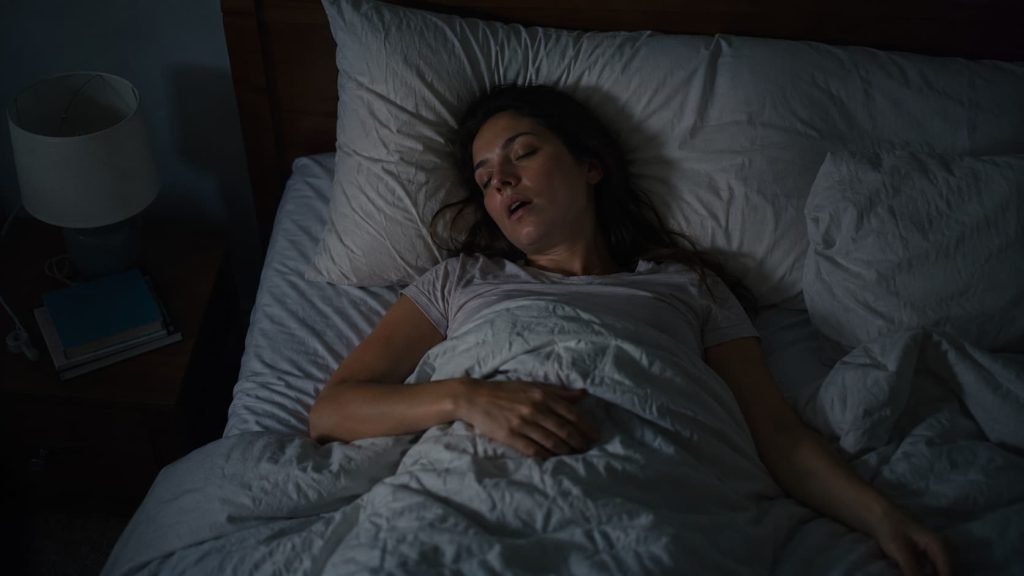
The Sleep Foundation notes that sleeping with the mouth open can lead to dry mouth, sore throat, bad breath, and poor sleep quality. That is not exactly a glamorous list, but it is useful.
Dry mouth can be a sleep apnea clue
This is the part I would not ignore.
Waking up with dry mouth does not automatically mean sleep apnea. Plenty of people have dry mouth from allergies, medication, or sleeping in a dry room. But if dry mouth comes with loud snoring, gasping, choking, morning headaches, daytime sleepiness, or waking up feeling weirdly unrefreshed, sleep apnea belongs on the list.
The Sleep Foundation includes dry mouth among symptoms that can appear with sleep apnea. It may happen because of snoring, open-mouth breathing, or disrupted breathing during the night.
That was the moment I started taking morning dry mouth more seriously. Not because dry mouth itself terrified me. It was the combo. Dry mouth plus waking tired. Dry mouth plus headaches. Dry mouth plus the sense that sleep was happening, but not really restoring anything.
If that sounds familiar, the article on the best sleep position for sleep apnea may be useful. Position will not diagnose anything, but it can help you notice patterns.
Medications are a huge dry mouth trigger
This one is easy to miss because people think of dry mouth as a sleep problem. Sometimes it is a medication problem that happens to feel worst at night.
Antidepressants, antihistamines, blood pressure medicines, anxiety medications, decongestants, pain medicines, muscle relaxers, and some bladder medications can all contribute to dry mouth. Not always. But often enough.
The American Dental Association notes that dry mouth symptoms may worsen at night because saliva output naturally drops during sleep, and mouth breathing can make it worse.
So if you started waking up dry around the same time you started a new medication, that timing matters. Do not stop a prescription on your own just because your mouth feels dry. But do bring it up. Sometimes the dose, timing, or medication choice can be adjusted.
Alcohol, caffeine, and salty food can stack the deck
I wish this were not true, but the boring bedtime choices matter.
Alcohol can dry you out and can also relax the airway, which may worsen snoring or mouth breathing. Caffeine can affect sleep and may leave some people feeling drier. A very salty dinner can make you wake up thirsty, especially if you did not drink much water earlier in the day.
This does not mean one salty meal ruins your mouth forever. But if dry mouth shows up after pizza, wine, late snacks, and sleeping with your mouth open, it is probably not a mystery novel.
I would be careful blaming only one thing, though. People love one-cause answers. “It was the chips.” Maybe. Or maybe it was the chips, plus the wine, plus the blocked nose, plus sleeping flat on your back.
Your bedroom air may be too dry
Dry air can make everything worse. Mouth, throat, nose, lips. The whole situation.
This tends to show up in winter, in air-conditioned rooms, or when heat runs all night. You may wake with a dry throat, crusty nose, or cracked lips. If your room feels dry enough to turn your skin into paper, your mouth is not having a great time either.
A humidifier can help some people, especially when nasal dryness is part of the problem. It does need cleaning, though. I know that is annoying. But a dirty humidifier is not a sleep upgrade.
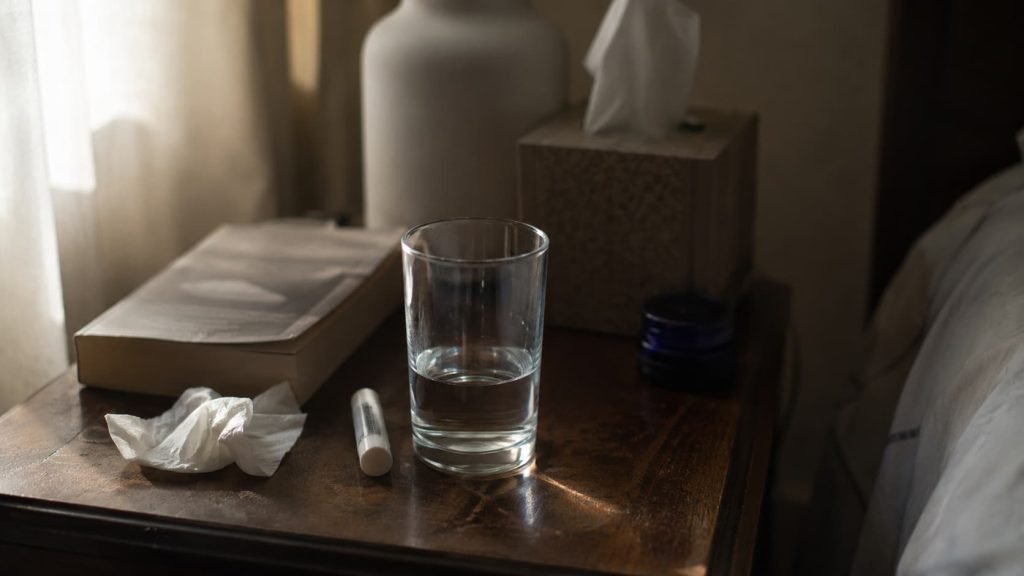
A glass of water beside the bed is fine. I keep one there too. But if you are waking up every night needing water, the water is probably treating the symptom, not explaining it.
Mouth taping is not always the answer
Because this topic lives on the internet, mouth taping will come up. It always does.
Some people say it helps them wake up with less dry mouth. Maybe it does. But I would not jump straight to taping your mouth shut if you do not know why your mouth is opening in the first place.
If your nose is blocked, taping can feel awful. If sleep apnea is possible, it is not something to play around with casually. If you are using alcohol or sedatives, same deal. Your breathing matters more than a trendy sleep hack.
I wrote more about the pros and cautions in mouth taping for sleep. My view is simple: maybe useful for some people, not a shortcut for everyone.
What to try tonight
Start boring. Boring is underrated.
Drink normally during the day instead of trying to fix everything with a giant glass right before bed. If your room is dry, add humidity or reduce direct airflow from a fan. If your nose is blocked, deal with the nose instead of blaming your mouth. Sleep slightly elevated if congestion or reflux seems involved.
If you suspect you are sleeping with your mouth open, try side sleeping. Back sleeping can make snoring and mouth opening worse for some people. A pillow setup that keeps you on your side may help, especially if your dry mouth comes with snoring.
If you wake up with dry mouth and a headache, that is a pattern worth watching. The article on waking up tired with a headache covers some overlap there, especially when poor breathing or rough sleep quality may be involved.
When dry mouth deserves more attention
Occasional dry mouth after a dry room or salty dinner is not shocking. Constant dry mouth is different.
If it happens most mornings, if your mouth burns, if your teeth are suddenly more sensitive, if you keep getting cavities, if your tongue feels cracked, or if you also have heavy snoring and daytime sleepiness, do not just keep buying bigger water bottles.
The Cleveland Clinic explains that dry mouth treatment depends on the underlying cause. That is the key. Mouth breathing needs a different fix than medication-related dry mouth. Sleep apnea needs a different approach than dry bedroom air.
That is the irritating truth. Same symptom. Different causes.
FAQ
Why do I wake up with dry mouth every morning?
You may be breathing through your mouth while you sleep. Other common causes include snoring, nasal congestion, dry bedroom air, medications, alcohol, dehydration, reflux, and sleep apnea.
Is waking up with dry mouth a sign of sleep apnea?
It can be, especially if it comes with loud snoring, gasping, choking, morning headaches, daytime sleepiness, or waking up unrefreshed. Dry mouth alone does not prove sleep apnea, but the pattern matters.
Can mouth breathing at night cause dry mouth?
Yes. Mouth breathing lets moisture evaporate from the mouth while you sleep, which can leave your tongue, throat, and lips feeling dry in the morning.
Why is my mouth dry at night even when I drink water?
Water may not solve the cause. If your mouth is open all night, your nose is blocked, your room air is dry, or a medication is reducing saliva, you can still wake up dry even if you hydrated during the day.
Can medications cause morning dry mouth?
Yes. Many medications can contribute to dry mouth, including some antidepressants, antihistamines, blood pressure drugs, decongestants, anxiety medications, and pain medicines. Ask your clinician or pharmacist if the timing lines up.
Does mouth taping fix dry mouth?
Not always. It may help some people who breathe through their mouth out of habit, but it is not a good idea if your nose is blocked or sleep apnea is possible. It is better to understand why your mouth is opening first.
The short version
If you keep asking, “why do I wake up with dry mouth,” do not stop at “I need more water.” Maybe you do. But maybe your mouth is open all night because your nose is blocked. Maybe you are snoring. Maybe a medication is involved. Maybe your room is too dry. Maybe sleep apnea is part of the picture.
Start with the pattern. Dry mouth plus congestion points one way. Dry mouth plus snoring and morning headaches points another. Dry mouth after alcohol or salty food is its own clue. The answer is usually hiding in the details of the night before.
This article is for informational purposes only and does not constitute medical advice. Always consult a qualified healthcare professional before making changes to your health routine.