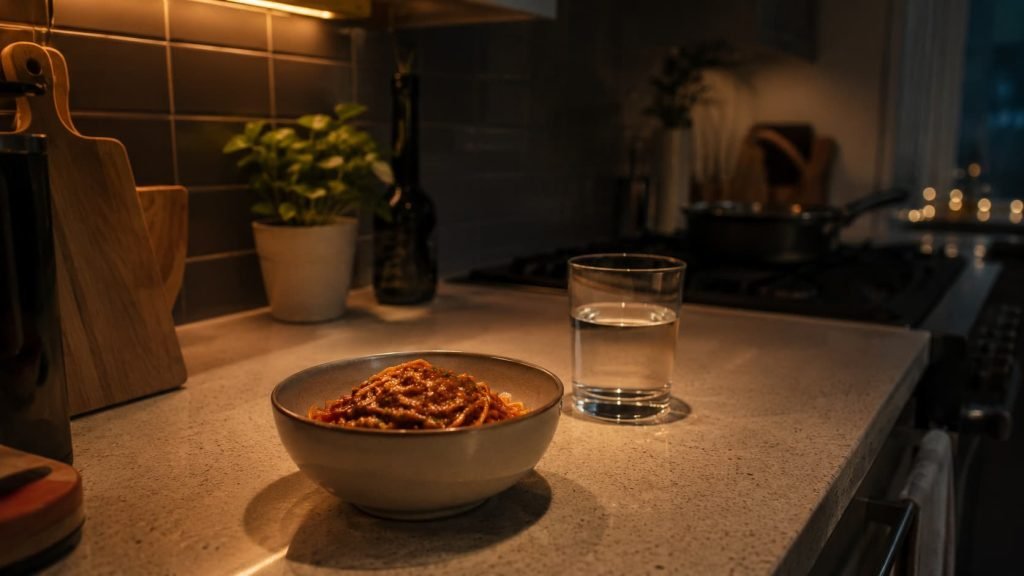
Spicy food before bed is not automatically a bad idea. If you eat it earlier in the evening and your stomach handles it well, you may sleep just fine. The trouble usually starts when the meal is big, oily, very hot, or close enough to bedtime that you are still digesting it when you lie down.
I have learned this in the least scientific way possible: by eating something spicy too late, getting into bed, and then realizing my stomach had not agreed to the plan.
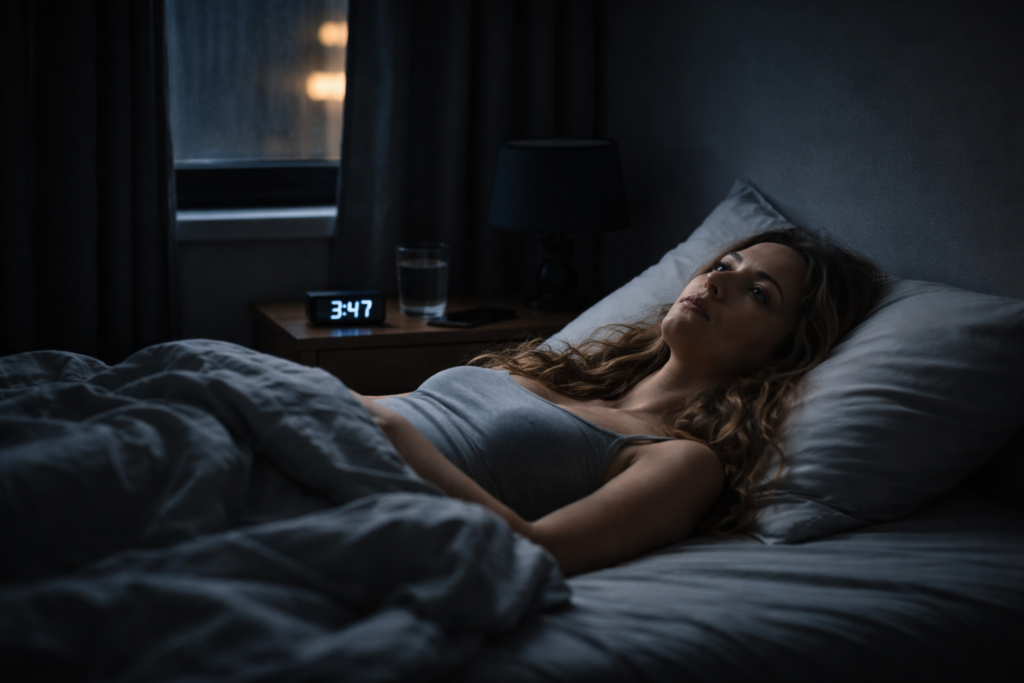
At first everything seems fine. The food was good. You are tired. You brush your teeth. Then, ten or twenty minutes after lying down, there it is. A little heat in the chest. Maybe a sour taste. Maybe your face feels warm, the blanket feels too heavy, and suddenly sleep is not happening as smoothly as you expected.
Not a crisis. Just annoying. Very annoying.
Spicy food before bed mostly becomes a problem when timing is bad
Spice is harder to ignore when you eat it late.
A spicy dinner at 6:30 p.m. is not the same thing as spicy noodles at 11:15 p.m. before crawling straight into bed. Your stomach needs time. When you lie flat too soon, digestion gets less forgiving, especially if the meal was heavy or greasy.
The Sleep Foundation mentions spicy foods as a possible sleep disruptor because they can contribute to heartburn, indigestion, reflux, and body temperature changes. That sounds clinical, but the real-life version is simple: you feel uncomfortable enough to sleep lightly.
And light sleep can make the whole night feel fake. You were in bed. Your eyes were closed. But you wake up like the night never really landed.
Heartburn is the big reason spicy food can ruin the night
If spicy meals give you heartburn, bedtime makes that more obvious.
When you are upright, gravity is helping a little. Once you lie down, that help gets weaker. Add a full stomach, chili heat, oil, tomato sauce, or alcohol, and reflux has a better chance of showing up.
The Mayo Clinic includes spicy foods among common heartburn triggers. That does not mean every spicy meal is a problem. But if you keep waking with burning in your chest, throat irritation, coughing, or a sour taste after late spicy food, that pattern is hard to ignore.
I would look at the whole meal, though. Was it just spicy, or was it spicy and fried? Did you eat a normal portion, or did “a little snack” turn into dinner number two? Did you lie down right after?
If reflux is already part of your nights, the guide on the best sleeping position for acid reflux may help more than simply blaming the hot sauce.
Spicy food can make you feel hot when your body wants to cool down
Sleep usually feels easier when your body can cool down.
Spicy food can push the other way. Capsaicin, the compound that gives chili peppers their heat, can leave you feeling flushed or sweaty. Sometimes it is subtle. You do not feel “sick,” exactly. You just feel a little too warm to settle.
I have had nights where the room was technically fine, but my body felt like it had brought its own heater. That is a terrible bedtime mood.
There is some research suggesting spicy meals before bed may raise body temperature and disturb sleep, though I would not treat one study as a universal rule. It does match what a lot of people notice: spicy food close to bed can make the first part of the night more restless.
If overheating is already a problem for you, your bedroom setup matters too. The article on perfect temperature for sleep is useful if you keep waking up warm even when food is not involved.

Some people can handle spicy food at night just fine
Not everyone needs to avoid spice after dark.
If you eat spicy food at dinner and sleep well, there is no need to create a rule just because a sleep blog says chili might be suspicious. Your own pattern matters.
But be honest about that pattern. Do you wake up thirsty after spicy meals? Do you get heartburn? Do you toss around more? Does your throat feel rough in the morning? Are you waking up hot around 2 or 3 a.m.?
If none of that happens, fine. Enjoy your dinner.
If it keeps happening, your body is basically leaving a review. Not a subtle one.
The worst version is spicy, oily, huge, and late
The risky version is not usually a small spicy dish with dinner. It is the late-night combination plate.
Hot wings. Fried noodles. Spicy pizza. Greasy tacos. Chili oil on something already heavy. These foods can be great, but close to bed they ask a lot from your digestion.
I have absolutely told myself, “It is just a snack,” while eating something that was clearly a full meal in disguise. The body knows. It always knows.
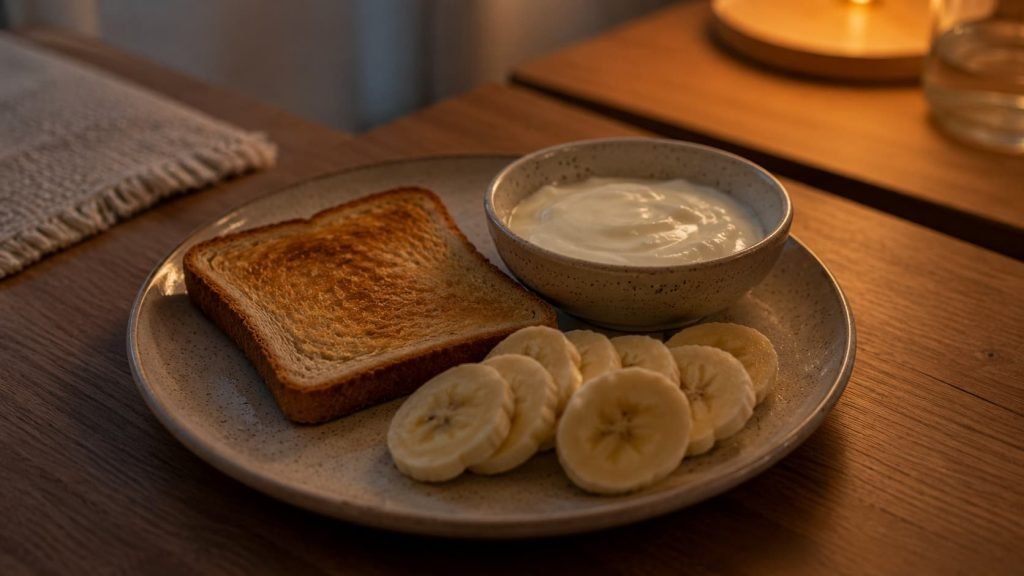
If you are genuinely hungry at night, a calmer snack may work better. Something that solves hunger without waking up your stomach. The guide on good snacks to eat before bed gives a few better options for those nights when you need food but do not want drama.
How long before bed should you stop eating spicy food?
Two to three hours before bed is a reasonable starting point.
It is not a magic number, but it gives your stomach a chance to get moving before you lie down. If reflux is easy for you to trigger, you may need more time. If you rarely get symptoms, you may not need to be strict.
What I would avoid is the immediate spicy-food-to-pillow pipeline. That one has rarely done me any favors.
If you already ate something spicy and bedtime is close, staying upright for a bit can help. Walk around the kitchen. Clean up. Do something boring. Let your stomach start the work before you ask it to do everything horizontally.
What if you already ate spicy food too late?
Do not turn it into a whole thing. One late spicy meal is not a personal failure.
Sit upright for a while if you can. Sip water, but do not drink so much that bathroom trips become the new problem. If reflux tends to show up, try sleeping slightly elevated or on your left side.
I would also avoid stacking triggers. No alcohol on top of it. No chocolate dessert at midnight. No peppermint tea if peppermint bothers your reflux. Basically, do not keep adding ingredients to the same bad idea.
If you are already lying down and reflux starts, sitting up usually works better than pretending you are too tired to move. I have tried the pretending method. Poor results.
Spicy food can also mess with sleep indirectly
Sometimes spicy food is not the only reason the night goes badly.
Late spicy food often comes with other habits: takeout, TV, scrolling, staying up past your natural tired window, drinking extra water because the food was salty, then waking up to pee. The meal gets blamed, but the whole evening was working against sleep.
That is why I would look beyond the plate.
If your bedtime keeps sliding later because snacks, screens, and “one more episode” keep stretching the night, the article on how to fix circadian rhythm may be more useful than trying to find the perfect mild dinner.
When to take the symptoms more seriously
Occasional heartburn after a spicy late meal is not shocking.
But repeated nighttime reflux is different. If you often wake with burning chest discomfort, sour taste, coughing, throat irritation, nausea, trouble swallowing, or sleep disruption from reflux, it is worth talking with a doctor. Same if symptoms are getting worse or you are relying on antacids all the time.
I would not panic over one spicy dinner. That would be exhausting.
But if spicy food keeps setting off the same bad night, stop treating it like a mystery. Either change the timing, change the portion, or get help figuring out why your stomach is reacting so strongly.
FAQ
Is spicy food before bed bad for sleep?
It can be, especially if it triggers reflux, stomach discomfort, sweating, or feeling too hot in bed. If you eat spicy food earlier and sleep fine, you may not need to avoid it completely.
How long before bed should I stop eating spicy food?
Two to three hours before bed is a good starting point. If you get reflux easily, give yourself more time and keep the meal smaller.
Can spicy food before bed cause nightmares?
Spicy food does not directly cause nightmares for everyone. But if it makes your sleep lighter or more disturbed, you may remember dreams more clearly or wake from them more often.
Why do I get heartburn after spicy food at night?
Spicy food can irritate the digestive system, and lying down soon after eating makes reflux easier. Large portions, oil, tomato-based sauces, alcohol, and late timing can all make it worse.
What should I eat instead of spicy food before bed?
If you are hungry late, choose something calmer: yogurt, oatmeal, toast, banana with peanut butter, a small bowl of rice, or another snack that does not usually bother your stomach.
Can I eat spicy food at dinner if I sleep later?
Yes. If you eat spicy food earlier in the evening and your body handles it well, it may not affect your sleep. The closer it gets to bedtime, the more likely it is to cause problems.
My honest take
I would not ban spicy food from dinner. That feels unnecessary unless your body is clearly asking for a ban.
But spicy food right before bed? I would be careful. Keep it earlier. Keep the portion reasonable. Watch the oil and salt. Do not lie down immediately after eating.
And if you keep waking up hot, thirsty, refluxy, or annoyed at yourself, believe the pattern. Spicy food may not be the whole problem, but late spicy food has a way of making small sleep problems louder.
This article is for informational purposes only and does not constitute medical advice. Always consult a qualified healthcare professional before making changes to your health routine.