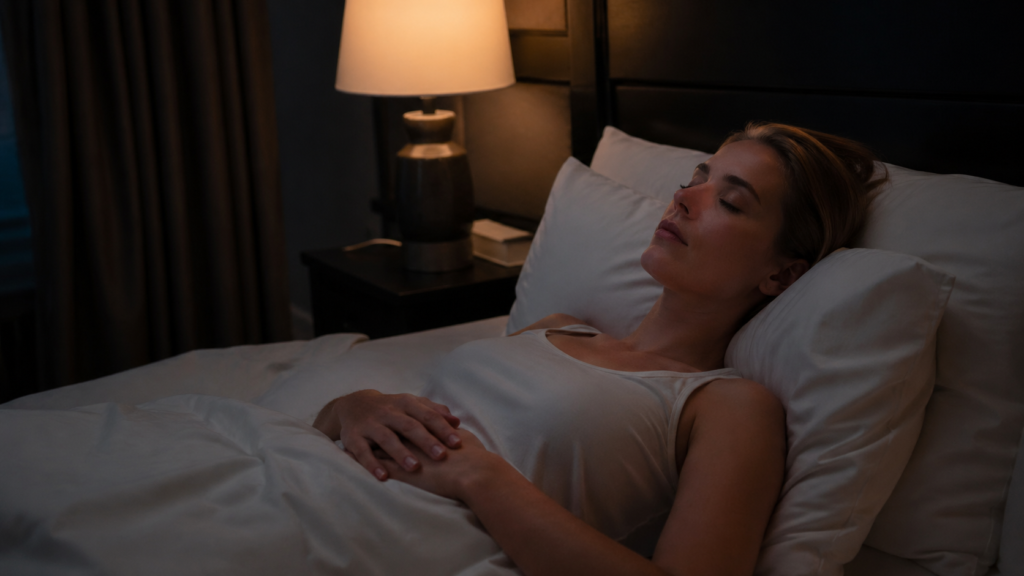
i found joe dispenza’s sleep meditation at about 1am on a tuesday, which is the exact time you find things like this. couldn’t sleep, phone in hand, doing the thing i knew wasn’t helping, stumbled onto a youtube video with “dr joe dispenza” in the title and a thumbnail of someone looking very peaceful. ran forty-five minutes. i figured i had nothing to lose.
i didn’t fully understand what was happening in it. there was a lot of language about quantum fields and elevated emotions and becoming a new personality that i wasn’t prepared for at 1am. but something about the voice, the pacing, the instruction to settle into your body and breathe slowly and just stay there — something worked. i fell asleep somewhere in the middle of it and woke up eight hours later having slept better than i had in weeks.
that was a few years ago. i’ve used his meditations inconsistently since — sometimes for months, sometimes not at all — and have developed some actual opinions about what they do and don’t do for sleep. here’s what i think is worth knowing.
who joe dispenza is and why people use his stuff for sleep
joe dispenza is a neuroscientist and author whose work sits at the intersection of neuroscience, epigenetics, and meditation practice. he’s written several books — “you are the placebo” and “becoming supernatural” are the most widely read — and produces a large library of guided meditations. he’s polarizing: mainstream science considers some of his claims about healing and quantum consciousness to be overstated, while his following is genuinely devoted and large.
the reason people specifically seek out joe dispenza sleep meditation as opposed to generic guided meditation is partly the content and partly the delivery. his meditations tend to be long — thirty to sixty minutes — which suits people who struggle to settle quickly. the voice is calm and deliberate. the instructions focus on body awareness, breath, and what he calls “entering the present moment,” which in practice means getting out of thought-based rumination and into physical sensation. that’s genuinely useful for sleep regardless of what you think of the broader framework.
the sleep-specific ones include explicit suggestions about releasing the day, letting go of identity and personality temporarily, and allowing the body to enter a healing state. whether you find that language meaningful or strange, the functional effect is similar to progressive muscle relaxation combined with body scan meditation — both of which have solid evidence for improving sleep onset.
what the meditation actually does to your nervous system
stripped of the more mystical framing, what’s happening in these meditations is fairly well understood. sustained slow breathing — the kind the meditation guides you into — activates the parasympathetic nervous system. that’s the rest-and-digest branch, the one that’s supposed to be running the show when you sleep. it counteracts the sympathetic activation that anxiety and stress maintain.
cortisol drops. heart rate slows. the physical tension that accumulates through a day of stress and screen use starts to release. and crucially, the sustained focus on body sensation rather than thought gives the mind something to do that isn’t running the mental audit that keeps so many people awake — the grocery list, the awkward conversation from tuesday, the thing you forgot to email. you’re not fighting the thoughts. you’re just occupied elsewhere.
the length is actually an advantage here rather than a drawback. shorter meditations ask you to achieve a calm state quickly. longer ones give you permission to take a while to get there. if you’re someone whose mind takes twenty minutes to stop running, a ten-minute meditation ends before you’ve actually settled. forty-five minutes means you can spend the first fifteen arriving and still have time to genuinely rest before it ends — or fall asleep in the middle, which for sleep purposes is fine.
the sleep meditations specifically worth trying
dispenza releases a lot of content and the sleep-specific ones are scattered across platforms. a few that come up most consistently in the context of sleep:
the “guided meditation before sleep” on his official youtube channel — this is the one most people find first and it’s a reasonable starting point. runs about forty minutes. the pacing is slower than some of his other content which makes it more effective for winding down rather than just meditating.
the “morning and evening meditations” series — the evening versions are explicitly designed as sleep preparation, working through a kind of review and release of the day before the body enters sleep. these are available through his website and app rather than free on youtube, but they’re among the more practically designed ones for sleep specifically.
“restorative sleep” is a dedicated sleep product from his catalog — a guided meditation specifically for entering deep sleep states. longer than most, with more sustained body-awareness work. if you want to try something purpose-built rather than adapted from his general meditation content, this is probably the right place to look.
if you’re new to his style, i’d start with the free youtube content before buying anything. the language and approach is distinctive and polarizing — some people connect with it immediately, others find it too spiritual or too slow. better to know which camp you’re in before spending money.
what it works well for and what it doesn’t fix
dispenza’s sleep meditation works best for the anxiety-and-rumination type of sleep problem — the kind where your body is tired but your brain won’t stop, where cortisol stays elevated at night and keeps you in a light vigilant state instead of settling into deep sleep. the meditation directly addresses the nervous system activation that drives this. it gives the mind somewhere to be other than inside itself.
it doesn’t address the structural or physiological causes of sleep problems. if your sleep is disrupted by sleep apnea, restless legs, hormonal issues, or medication effects, meditation will help with the anxiety layer but won’t touch the underlying driver. same with restless sleep that has a physical cause — meditation can help at the margins but isn’t going to fix something structural.
it also doesn’t substitute for the fundamentals. consistent wake time, cool room, no screens right before bed, not going to bed wired on cortisol from a high-stimulus evening — these things matter in ways that no meditation fully compensates for. dispenza’s work fits into a broader approach rather than replacing it. i use it alongside magnesium glycinate before bed and ashwagandha for the cortisol piece — the meditation is the top layer, addressing what’s happening in my mind, while the other things address what’s happening physiologically.
if you’re skeptical of the framework
the quantum field language and the claims about rewiring your personality and healing through elevated emotion — i understand if that’s a barrier. it was for me initially. what i eventually settled on is treating the meditation as a delivery mechanism for slow breathing and body awareness, which are the parts with the clearest evidence, and treating the framework as optional context.
you don’t have to believe in quantum consciousness for forty-five minutes of slow breathing and body scan instruction to help your nervous system downregulate before sleep. the mechanism works regardless of whether the explanation surrounding it is accurate. this is true of a lot of meditation content — the practice and the theory are separable, and you can take one without the other.
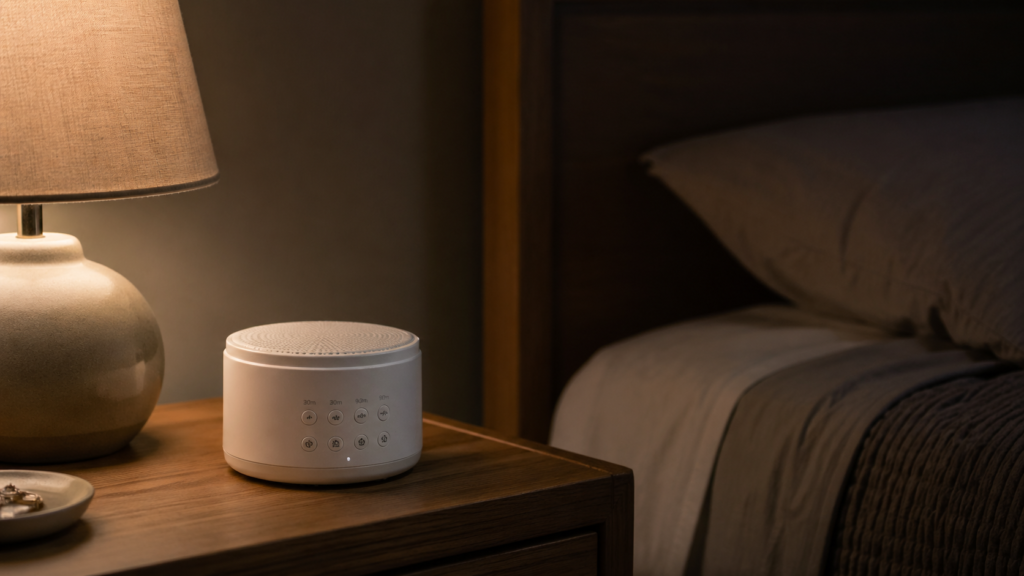
if the dispenza style specifically doesn’t land, the same functional approach — long, slow, body-focused guided meditation before sleep — is available in plenty of other formats. headspace and calm both have sleep-specific content. yoga nidra is a traditional practice that works through almost identical mechanics (progressive body awareness, slow breathing, deliberate release of thought) and has stronger clinical evidence behind it. pairing any of these with a white noise machine in a cool dark room creates a sleep environment that addresses multiple layers of the problem simultaneously.
the thing i’d say about dispenza specifically is that his meditations tend to be better produced and more carefully paced than a lot of free sleep meditation content. whether that’s worth navigating the framework is a personal call. for a lot of people, particularly those who’ve tried shorter or simpler meditation and found it didn’t hold their attention long enough to actually settle — his style lands differently. it held mine at 1am on a tuesday when nothing else was working, and that’s worth something.
building it into a consistent routine
the first few times you do a long meditation before sleep it might feel effortful. your mind wanders, you lose the thread, you find yourself thinking about something unrelated and have to come back. that’s normal and expected — it’s not a sign you’re doing it wrong. the coming back is the practice, not the continuous focus.
what changes with consistency is that your nervous system starts to associate the meditation with what follows it. after two or three weeks of doing it at the same time in the same conditions, the opening minutes start triggering a relaxation response before you’ve even gotten deep into the content. this is the same mechanism that makes any pre-sleep ritual effective — your brain is pattern-matching and anticipating. the ritual itself becomes a sleep cue.
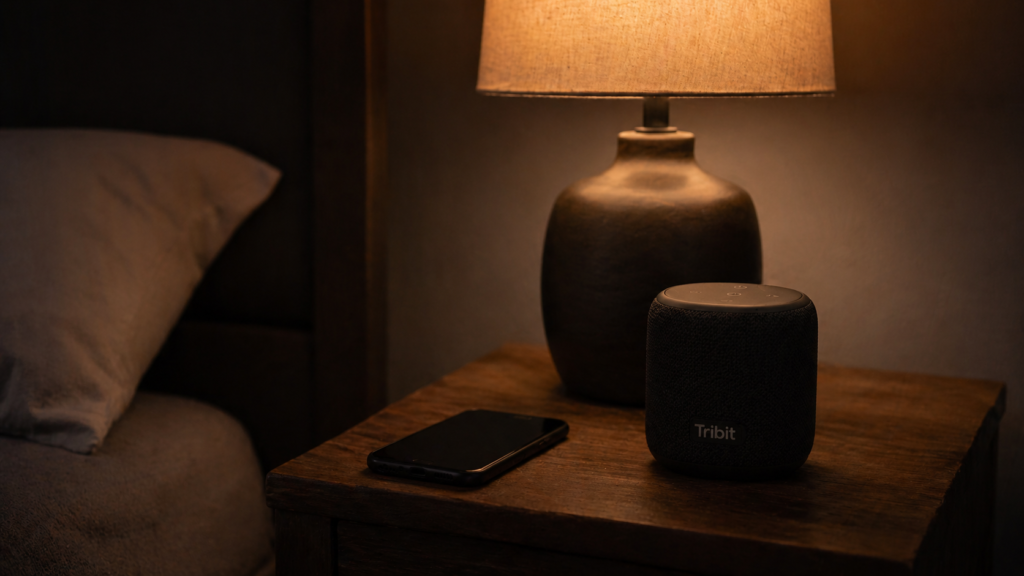
 the conditions that make it work better: lights dim or off, phone on airplane mode and face down or in another room entirely. if you’re using youtube on your phone, the screen light is working against you. the audio-only approach — downloading the meditation or using it through a speaker rather than staring at a screen — is meaningfully better for sleep purposes. the light from a screen in the thirty to sixty minutes before sleep suppresses melatonin in ways that a meditation can’t fully offset.
lying down rather than sitting is fine for sleep meditation — unlike some meditation traditions that emphasize upright posture to prevent sleep, for sleep purposes falling asleep during the meditation is a success state not a failure. the goal isn’t to maintain awareness through the whole session. the goal is to fall asleep, and if the meditation gets you there by minute twenty, that’s exactly what it was supposed to do.
for the research side, the Sleep Foundation’s overview of meditation for sleep covers the evidence base for meditation and sleep onset more thoroughly than i have space for here.
This article is for informational purposes only and does not constitute medical advice. Always consult a qualified healthcare professional before making changes to your health routine.