I used to think hip pain at night was one of those things people complained about after doing something dramatic. A long hike. A workout. Moving furniture badly. Something with a clear cause.
Then I had a stretch where my hip started aching only after I got into bed. Not during the day. Not while walking around. Just at night, when I was supposedly doing the easiest physical activity available: lying down.
That is when I realized finding the best sleeping position for hip pain is not as simple as “sleep on your side” or “sleep on your back.” Hip pain is picky. It depends on where the pain is, which side hurts, how firm your mattress is, and whether your knees are quietly pulling your pelvis out of alignment while you sleep.
The good news is that small changes can help. Not always in a magical way. I do not trust magical sleep advice. But enough that you may stop waking up every time you roll over.
Best sleeping position for hip pain: start with back sleeping
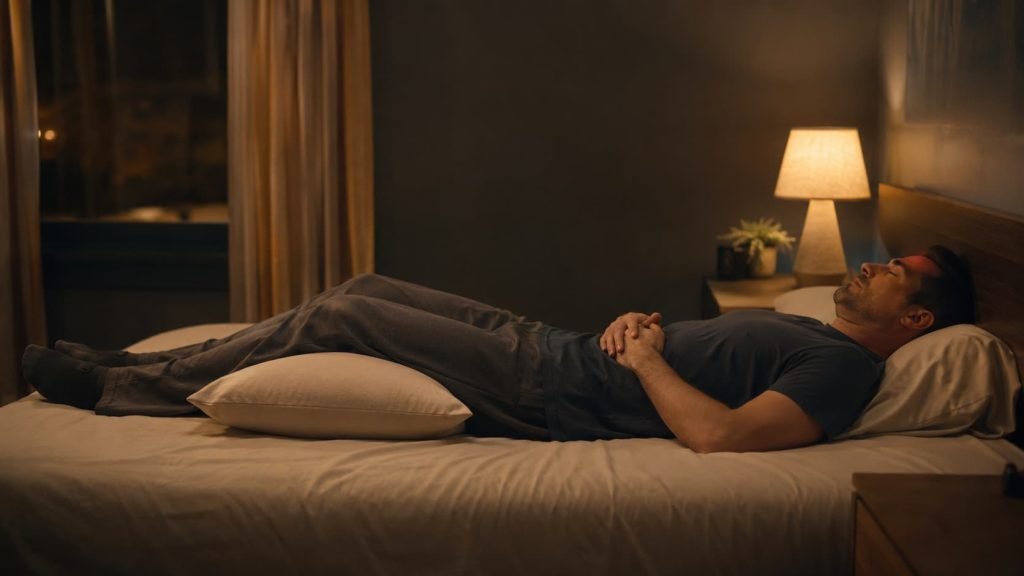
For many people, the best sleeping position for hip pain is sleeping on the back with a pillow under the knees. This position spreads your weight more evenly and reduces direct pressure on the sore hip.
The pillow under the knees matters more than people think. It slightly bends the hips and knees, which can relax the pull through the lower back, pelvis, and front of the hips. Without it, your legs may lie too flat and tug on areas that already feel irritated.
I know back sleeping is not everyone’s favorite. Some people feel trapped on their back. Some snore more. Some just stare at the ceiling like they are waiting for a bus. But if side sleeping is the thing causing the hip pain, back sleeping is worth testing for a few nights.
The Sleep Foundation notes that sleep posture and pillow placement can affect pressure and alignment. That is basically the whole game with hip pain: pressure plus alignment.
If you sleep on your side, protect the top hip
Side sleeping can help some people and absolutely annoy others. The problem is that your hip becomes a main pressure point. If the mattress is too firm, the outside of the hip can feel bruised by morning. If the mattress is too soft, your hips may sink and twist your lower back.
If only one hip hurts, try sleeping on the opposite side, with the painful hip on top. Then put a pillow between your knees. Not a sad flat pillow that collapses in ten minutes. Something with enough firmness to keep your knees and hips stacked.
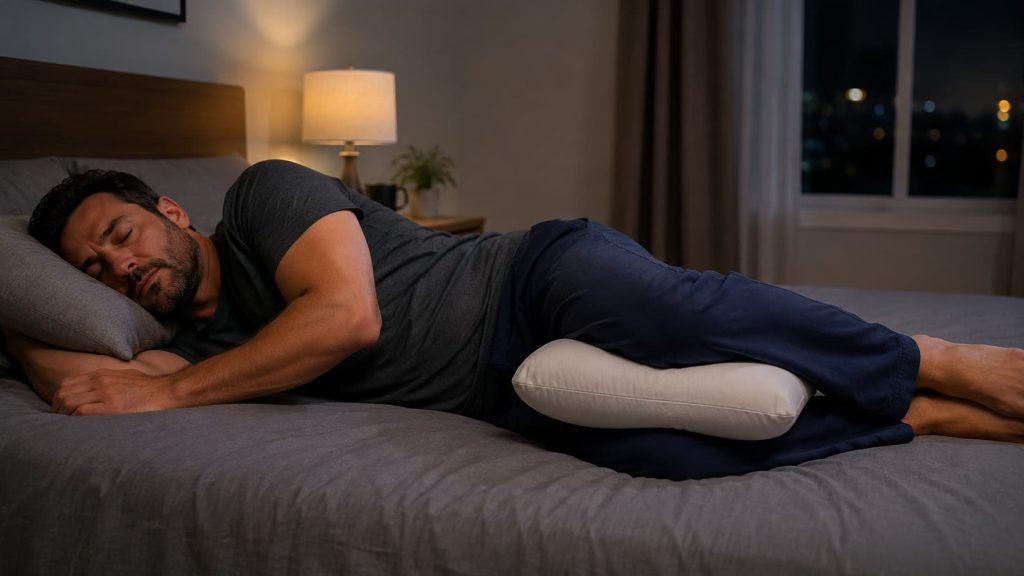
This is one of those fixes that sounds too simple, and I get the skepticism. A pillow between the knees? Really? But when the top leg drops forward, it rotates the pelvis. That twist can pull through the hip and lower back all night.
If your hip pain comes with lower back tightness, you may also want to read the guide on the best sleeping position for lower back pain. Hip pain and back pain love to travel together, which is deeply annoying but very common.
Do not sleep on the painful hip if you can avoid it
This sounds obvious, but plenty of people do it because they are used to sleeping on that side. Habit is powerful. So is exhaustion.
If the outside of your hip hurts when you lie directly on it, stop testing it every night like the result might suddenly change. Give that side a break. Outer hip pain can come from irritation around the tendons or bursa near the side of the hip, and direct pressure often makes it angrier.
The Mayo Clinic specifically suggests avoiding sleep on the affected side when dealing with hip pain. Not fancy advice. Just practical.
If you keep rolling onto the painful side in your sleep, place a pillow behind your back while side sleeping. It does not need to be a full body barricade. Just enough to make rolling over less automatic.
Where the hip pain is matters
Hip pain is a vague phrase. The location tells you a lot.
Pain on the outside of the hip often behaves differently from pain deep in the groin. Pain that runs down the leg may involve the lower back or sciatic nerve. Pain near the front of the hip may feel worse with certain knee or hip angles.
I would not try to self-diagnose the whole thing at 1 a.m. That way madness lies. But I would pay attention to patterns.
If pain shoots down the leg, or comes with numbness or tingling, the article on the best sleeping position for sciatica may be more relevant. If pain sits more along the outer thigh, the best sleeping position for IT band pain guide may also help.
What about stomach sleeping?
I would be careful with stomach sleeping if your hip hurts.
Some people love it. I understand. It can feel secure. But stomach sleeping often twists the neck and can put the hips in a slightly rotated position for hours. If one leg bends up to the side, the pelvis can rotate even more.
That may not bother everyone. But if your hip pain is already sensitive, stomach sleeping can quietly keep the irritation going.
If you cannot give it up right away, try placing a thin pillow under the lower abdomen or pelvis. That may reduce the arch in your lower back. Still, I would test side or back sleeping first before making stomach sleeping the main plan.
Your mattress may be part of the problem
People love blaming mattresses, and sometimes they are right.
A mattress that is too firm can create pressure on the outer hip, especially for side sleepers. A mattress that is too soft can let the hips sink too far, which throws the spine and pelvis out of line. The sweet spot is usually support with enough cushioning for the hip to settle without collapsing.
The Sleep Foundation points out that side sleeping puts pressure on the shoulders and hips. That is exactly why hip pain can show up even when you are technically sleeping in a “good” position.
Before buying anything expensive, try a smaller experiment. Add a mattress topper if the bed feels too hard. Remove extra soft layers if your hips are sinking too much. Change one thing at a time so you can actually tell what helped.
The pillow setup I would try first
If hip pain is waking you up tonight, I would keep the setup boring.
Back sleepers: one pillow under the head, one pillow under the knees. Let the legs relax. Do not shove the knee pillow too high unless that feels better for your hips.
Side sleepers: painful hip on top, pillow between knees, maybe another pillow hugged to the chest so the upper body does not collapse forward. If you roll backward or forward too much, use a small support pillow behind your back.
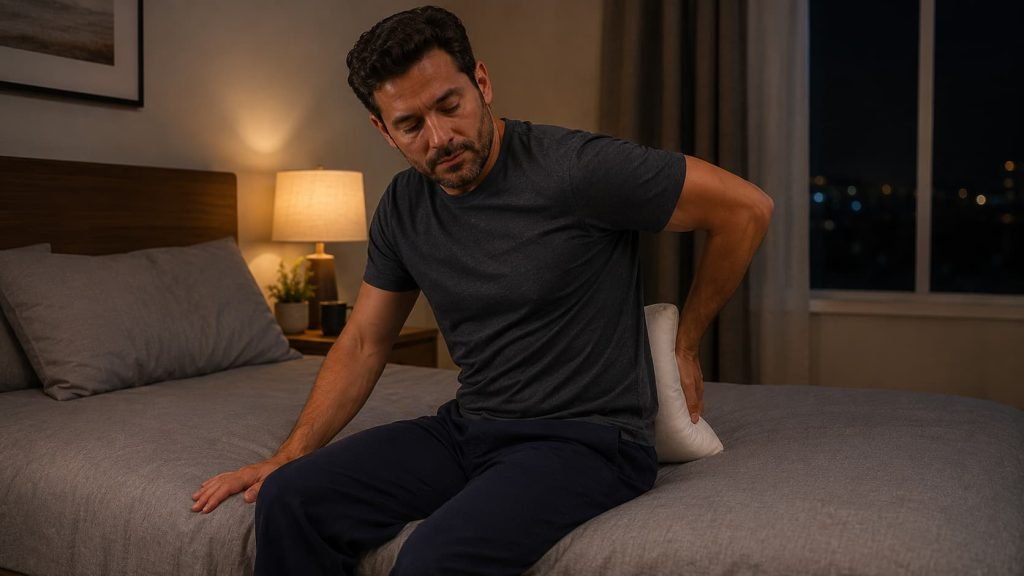
It sounds like a lot of pillows. It kind of is. But the point is not decoration. The point is keeping your hips from twisting while you are unconscious and making questionable posture decisions.
When hip pain at night is not just a sleep position issue
Sometimes position helps. Sometimes it only helps a little. And sometimes the pain is not really about sleep at all. Sleep just reveals it because you are still for hours.
The Cleveland Clinic notes that joint pain can worsen at night partly because of positioning and stillness. That matches what a lot of people feel: the hip seems fine until the body stops moving.
Get proper help if the pain follows a fall, you cannot bear weight, the joint looks swollen or deformed, you have fever, numbness, weakness, or the pain keeps getting worse. Also, if hip pain has been messing with sleep for weeks, that is enough reason to stop guessing.
I say that as someone who will absolutely try three pillow arrangements before making an appointment. But there is a line.
FAQ
What is the best sleeping position for hip pain?
The best sleeping position for hip pain is often back sleeping with a pillow under the knees. If you prefer side sleeping, sleep on the less painful side and place a firm pillow between your knees to keep your hips aligned.
Should I sleep on the hip that hurts?
Usually no. Sleeping directly on the painful hip can increase pressure and make soreness worse, especially if the pain is on the outside of the hip. Try sleeping on the opposite side or on your back.
Why does my hip hurt more at night?
Hip pain can feel worse at night because you are staying in one position for a long time. Pressure from side sleeping, poor hip alignment, an overly firm mattress, or inflammation can all become more noticeable once you lie still.
Does a pillow between the knees help hip pain?
Yes, it can help side sleepers. A pillow between the knees keeps the top leg from dropping forward and twisting the pelvis, which may reduce strain through the hips and lower back.
Is a firm or soft mattress better for hip pain?
Most people need something in the middle: supportive enough to keep the hips aligned, but cushioned enough to reduce pressure. A very firm mattress can bother the outer hip. A very soft mattress can let the hips sink too much.
Can sleeping position cause hip pain?
Yes, especially for side sleepers. Direct pressure on the hip, a twisted pelvis, or poor mattress support can trigger or worsen hip pain at night.
The short version
The best sleeping position for hip pain is usually back sleeping with a pillow under the knees, especially if side sleeping puts pressure on the sore hip. If you are a side sleeper, keep the painful hip on top and place a firm pillow between your knees.
Do not ignore the mattress either. Too hard can press into the hip. Too soft can twist the pelvis. The right setup should feel boring in the best way: less pressure, less twisting, fewer wake-ups.
This article is for informational purposes only and does not constitute medical advice. Always consult a qualified healthcare professional before making changes to your health routine.