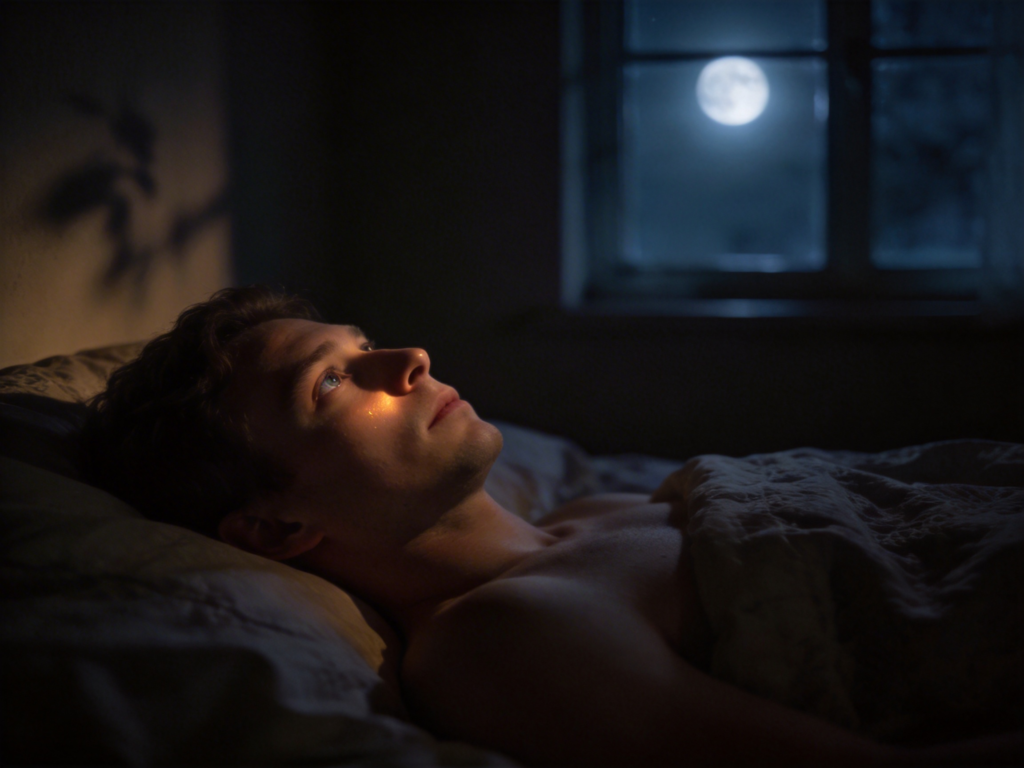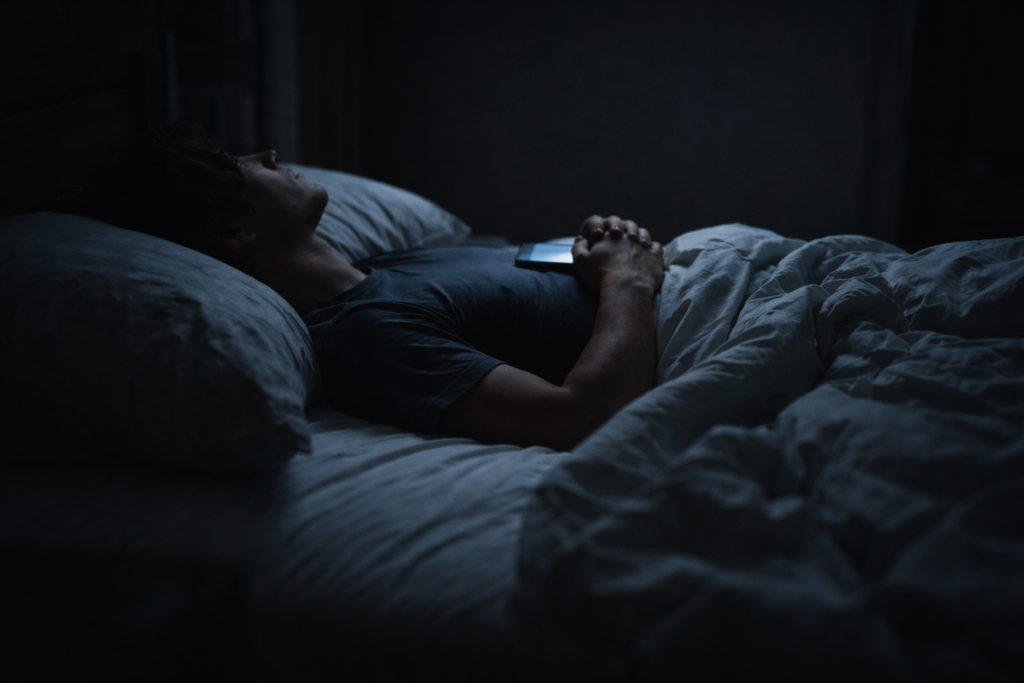
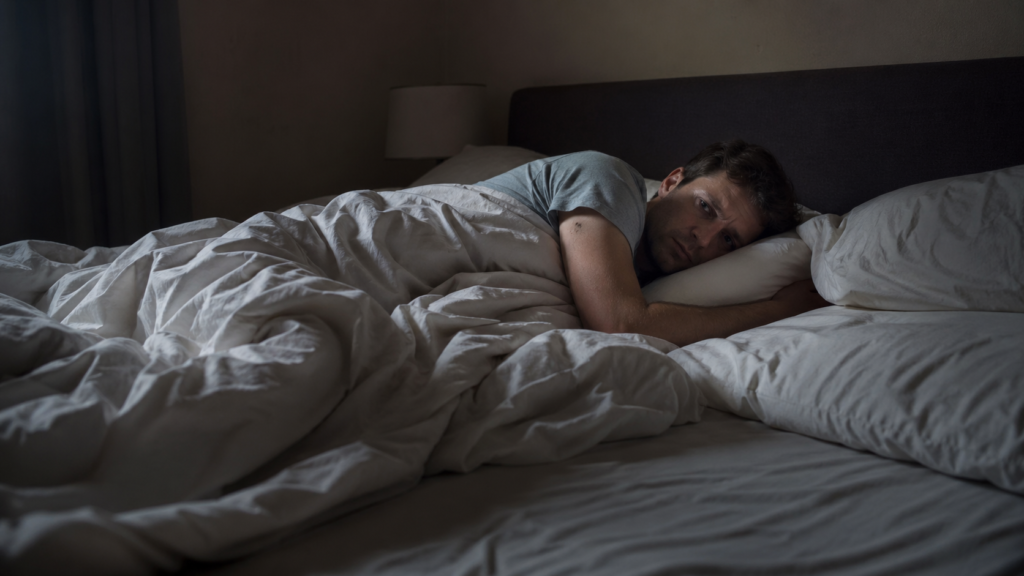
Restless sleep describes a night that feels broken, light, uncomfortable, or unrefreshing. It is not a specific medical diagnosis. The cause may be as simple as noise or an irregular schedule, but repeated restless sleep can also be a sign of insomnia, sleep apnea, restless legs syndrome, pain, medication effects, or another health problem.
An occasional unsettled night is common. The pattern deserves more attention when it continues for weeks, affects daytime functioning, or occurs with symptoms such as loud snoring, gasping, an urge to move the legs, or dangerous sleepiness.
What restless sleep can feel like
People use the term “restless sleep” for several different experiences:
- Frequent awakenings or long periods awake during the night
- Tossing, turning, or difficulty getting comfortable
- Light sleep that is easily disturbed
- Leg discomfort or repeated limb movements
- Waking earlier than intended
- Sleeping for enough hours but still feeling unrefreshed
These experiences do not all have the same cause. Identifying the exact pattern is more useful than trying a long list of generic sleep remedies.
Is restless sleep the same as insomnia?
Not necessarily. Insomnia involves difficulty falling asleep, staying asleep, or getting good-quality sleep even when there is adequate time and an appropriate environment for sleep. It also interferes with daytime activities. Chronic insomnia generally occurs at least three nights a week for more than three months.
Restless sleep is a broader description. Someone may feel restless because of bedroom noise, pain, breathing interruptions, leg sensations, alcohol, or a medication without meeting the criteria for insomnia. The two can overlap, so persistent symptoms should be evaluated based on their cause rather than the label alone.
Common causes of restless sleep
Insufficient or inconsistent sleep
A short sleep opportunity, changing bedtimes, shift work, jet lag, or large differences between weekday and weekend schedules can make sleep lighter and less refreshing. Adults ages 18 to 60 generally need at least seven hours of sleep, although individual needs vary.
Allow enough time for sleep and keep the wake time reasonably consistent. If you spend adequate time in bed but remain unable to sleep or feel excessively sleepy, simply extending time in bed may not solve the problem.
Stress, anxiety, and conditioned alertness
Stress can make it difficult to disengage from planning, worry, or monitoring the clock. After repeated bad nights, the bed itself can become associated with frustration and alertness. This cycle is common in insomnia.
Persistent insomnia is not a failure to relax correctly. Cognitive behavioral therapy for insomnia, or CBT-I, is a structured treatment that addresses sleep timing, time awake in bed, unhelpful beliefs, and behaviors that maintain the problem. The American College of Physicians recommends CBT-I as the initial treatment for chronic insomnia in adults.
Bedroom conditions
Noise, light, excessive heat or cold, an uncomfortable mattress, and interruptions from other people or pets can fragment sleep. There is no single ideal bedroom temperature for everyone. The practical goal is a quiet, dark, comfortable environment that does not repeatedly wake you.
Caffeine, alcohol, nicotine, and other substances
Caffeine can remain active for hours, and sensitivity varies widely. Coffee, tea, energy drinks, pre-workout products, chocolate, and some medicines may contribute. If falling or staying asleep is difficult, test an earlier caffeine cutoff for one to two weeks rather than assuming a universal cutoff time.
Alcohol may make falling asleep feel easier, but it can disrupt sleep later in the night. Nicotine is a stimulant, and withdrawal overnight may also disturb sleep. Cannabis and sleep products can affect sleep differently depending on dose, timing, frequency, and the individual; they should not be treated as reliable fixes for unexplained restless sleep.
Pain and physical symptoms
Back or joint pain, reflux, coughing, allergies, hot flashes, itching, frequent urination, and other symptoms can repeatedly interrupt sleep. Treating the underlying problem is usually more useful than adding a sedating product.
Medicines
Some prescription and nonprescription medicines can affect alertness, breathing, leg movements, or sleep continuity. Examples may include certain stimulants, decongestants, corticosteroids, antidepressants, and medicines taken at a time that conflicts with sleep.
Do not stop a prescribed medicine because of a sleep article. Ask the prescriber or pharmacist whether the medicine, dose, timing, withdrawal, or an interaction could be contributing.
Sleep apnea
Sleep apnea causes breathing to stop and restart repeatedly during sleep. Clues include loud snoring, witnessed breathing pauses, gasping, morning headaches, dry mouth, and excessive daytime sleepiness. A person may not remember waking even though sleep has been repeatedly disrupted.
Sleep apnea cannot be ruled out by a phone app or a normal-looking oxygen reading from a consumer device. A healthcare professional can determine whether a home sleep apnea test or an in-lab sleep study is appropriate.
Restless legs syndrome and limb movements
Restless legs syndrome typically causes an urge to move the legs, often with uncomfortable sensations. Symptoms begin or worsen during rest, improve temporarily with movement, and are usually worse in the evening or at night. Periodic limb movements during sleep may also fragment sleep, although the sleeper may not notice them.
Iron status can be relevant in restless legs syndrome, but that does not mean everyone with restless sleep should take iron. The 2025 American Academy of Sleep Medicine guideline recommends checking iron studies in people with clinically significant restless legs syndrome and basing supplementation on the results and clinical context. Excess iron can be harmful.
What to do about restless sleep
1. Track the pattern for one to two weeks
Keep a simple sleep diary that records:
- Bedtime, estimated sleep time, wake time, and time out of bed
- Awakenings you remember
- Caffeine, alcohol, nicotine, and medication timing
- Exercise, naps, pain, reflux, hot flashes, or nighttime urination
- Snoring, gasping, leg discomfort, or unusual movements reported by a partner
- Daytime sleepiness, mood, and concentration
Look for repeated associations rather than drawing conclusions from one night or one wearable score.
2. Protect a realistic sleep schedule
Choose a wake time you can keep on most days and allow an adequate sleep opportunity. Make schedule changes gradually if your current timing is several hours away from the desired schedule. Morning light and dimmer evening light can help reinforce sleep timing.
If you are awake and frustrated for long periods in bed, adding more time in bed may worsen insomnia. That pattern is better addressed with CBT-I than with increasingly strict sleep rituals.
3. Reduce obvious disruptions
Make the bedroom dark, quiet, and comfortable. Address intermittent noise, bright early-morning light, overheating, and notifications. If another person reports snoring, breathing pauses, repeated kicking, or dream enactment, treat that observation as useful medical information rather than only an environmental nuisance.
4. Test one change at a time
Move caffeine earlier, reduce evening alcohol, or adjust the bedroom environment for several nights while keeping other variables reasonably stable. Changing many things at once makes it difficult to identify what helped.
No supplement has been established as a universal treatment for restless sleep. Magnesium, melatonin, iron, and herbal products have different indications, risks, and interactions. Do not assume that restless sleep proves a deficiency.
5. Review persistent symptoms with a clinician
Bring the sleep diary and a complete list of medicines and supplements. Depending on the pattern, evaluation may include a medication review, treatment for pain or reflux, iron studies for suspected restless legs syndrome, CBT-I, or testing for sleep apnea or another sleep disorder.
When to seek medical help
Arrange an evaluation when restless sleep persists for weeks, occurs at least several nights a week, or interferes with work, driving, mood, memory, or relationships. Seek help sooner for:
- Loud snoring, witnessed breathing pauses, choking, or gasping during sleep
- Severe daytime sleepiness, unintentional dozing, or drowsy driving
- A strong nighttime urge to move the legs with uncomfortable sensations
- Punching, kicking, shouting, or falling out of bed while acting out dreams
- Sudden sleep attacks, sleep paralysis, or muscle weakness triggered by emotion
- Symptoms that began after a new medicine or dose change
- Persistent insomnia lasting three months or longer
Do not drive when sleepy. Sudden severe breathing difficulty, chest pain, confusion, or another medical emergency requires urgent care rather than routine sleep advice.
Frequently asked questions
Why am I restless even when I sleep for eight hours?
Time in bed does not guarantee continuous or restorative sleep. Breathing interruptions, limb movements, pain, alcohol, medicines, insomnia, and an irregular schedule can all reduce sleep quality. Daytime symptoms and the pattern of awakenings are more informative than duration alone.
Can a sleep tracker identify the cause?
No. A tracker may help reveal broad timing trends, but consumer devices do not diagnose insomnia, sleep apnea, restless legs syndrome, or a nutrient deficiency. Use the data as one part of a sleep diary, not as a medical conclusion.
Does restless sleep mean I am deficient in magnesium or iron?
No. Restless sleep alone does not establish a deficiency. Iron testing can be relevant when symptoms suggest restless legs syndrome, but supplementation should be based on appropriate testing and clinical advice. Magnesium is not a universal treatment for restless sleep.
How long should I try sleep-habit changes?
A one- to two-week diary is often long enough to reveal patterns, but there is no fixed deadline by which every cause should improve. Do not delay evaluation when symptoms are severe, breathing is interrupted, sleepiness makes driving unsafe, or the problem is significantly affecting daily life.
Bottom line
Restless sleep is a description, not a diagnosis. Start by documenting the pattern, allowing adequate sleep time, reducing clear disruptions, and testing one practical change at a time. Persistent or severe symptoms should lead to an evaluation for insomnia, sleep apnea, restless legs syndrome, medication effects, pain, or another underlying cause rather than an untested supplement routine.
Sources
- National Heart, Lung, and Blood Institute: Insomnia
- National Heart, Lung, and Blood Institute: Sleep Apnea
- Centers for Disease Control and Prevention: About Sleep
- Qaseem et al. Management of Chronic Insomnia Disorder in Adults: American College of Physicians Clinical Practice Guideline
- Winkelman et al. Treatment of Restless Legs Syndrome and Periodic Limb Movement Disorder: American Academy of Sleep Medicine Clinical Practice Guideline
This article is for general educational purposes and is not a diagnosis or a substitute for care from a qualified healthcare professional.
Related sleep guides
- Common reasons it takes a long time to fall asleep
- Why a full night of sleep may still feel unrefreshing
- How sleep apnea and anxiety can overlap
- How bedroom temperature affects sleep
This article is for informational purposes only and does not constitute medical advice. Always consult a qualified healthcare professional before making changes to your health routine.