The first time I really questioned drinking water before bed, it was not because I had read some perfect sleep advice.
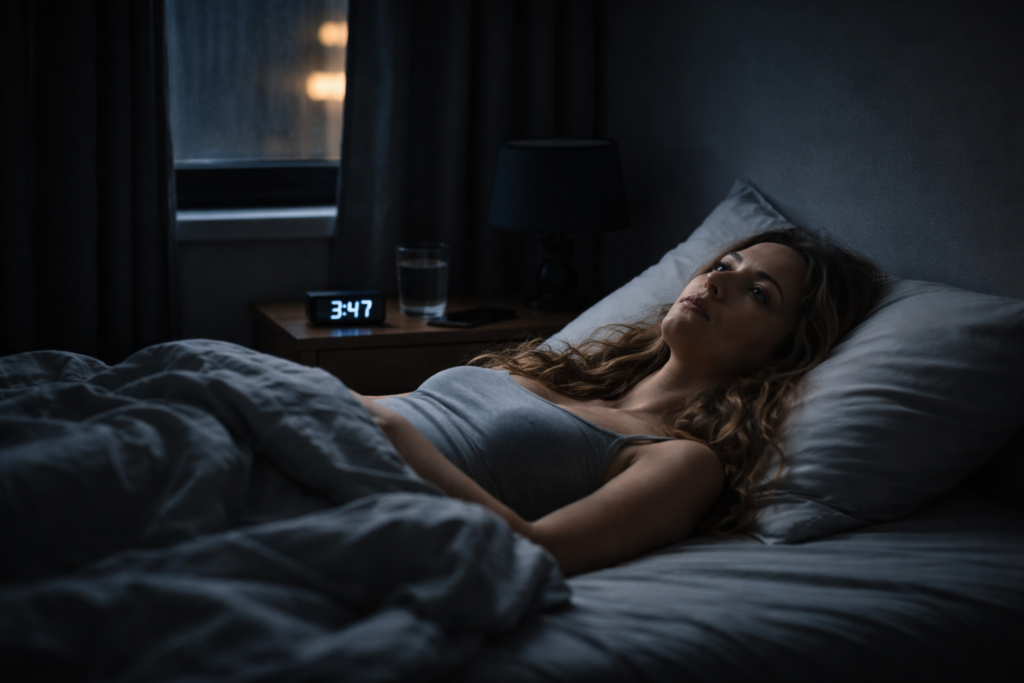
It was because I woke up at 2:38 a.m. needing to pee so badly that I was annoyed at my past self. Like, genuinely annoyed. Why did I drink a full glass of water right before lying down? What was the plan there?
Then, of course, the opposite happened a few nights later. I tried not drinking much in the evening, woke up with a dry mouth, and immediately decided that was also terrible.
Very helpful. Two bad options.
That is the thing with water before bed. It sounds like it should be simple. Hydration good. Sleep good. Therefore water before sleep must be good, right?
Not always.
Sometimes drinking water before bed helps. Sometimes it sends you to the bathroom at 3 a.m. and ruins a perfectly decent night of sleep. The trick is not whether water is good or bad. Obviously water is good. The trick is timing, amount, and what your body is actually asking for.
Drinking water before bed is not the problem. Too much, too late might be.
I do not think water is the villain here.
The problem is usually the giant glass at the wrong time. Or chugging water because you forgot to drink enough all day. I have done this. Around 9:45 p.m., suddenly deciding to become a hydrated person. Very inspiring. Very poorly timed.
The Sleep Foundation notes that drinking water before bed can help some people avoid thirst, but it may also lead to sleep disruption if it causes nighttime bathroom trips.
That is basically the whole argument in one sentence.
If you are thirsty, a few sips make sense. If you are drinking a full bottle of water right before sleep because the day got away from you, your bladder may have comments later.
Why water before bed can wake you up
Your body still makes urine while you sleep. Rude, but true.
If you drink a lot of fluid close to bedtime, your bladder may fill enough to wake you. Once you are up, the problem is not always the bathroom trip itself. It is getting back to sleep after.
That second part is where the damage happens.
You get up. The room feels colder. You check the time even though you know you should not. Now your brain has information. It starts doing math. How many hours left? Why am I awake? Am I going to feel awful tomorrow?
And now a two-minute bathroom trip has become a full production.
Cleveland Clinic describes nocturia as waking during the night to urinate, and it can come from many causes, not just drinking water too late. Still, late fluids are one of the easiest things to experiment with first.
When a little water before bed actually helps
There are nights when water before bed is exactly what you need.
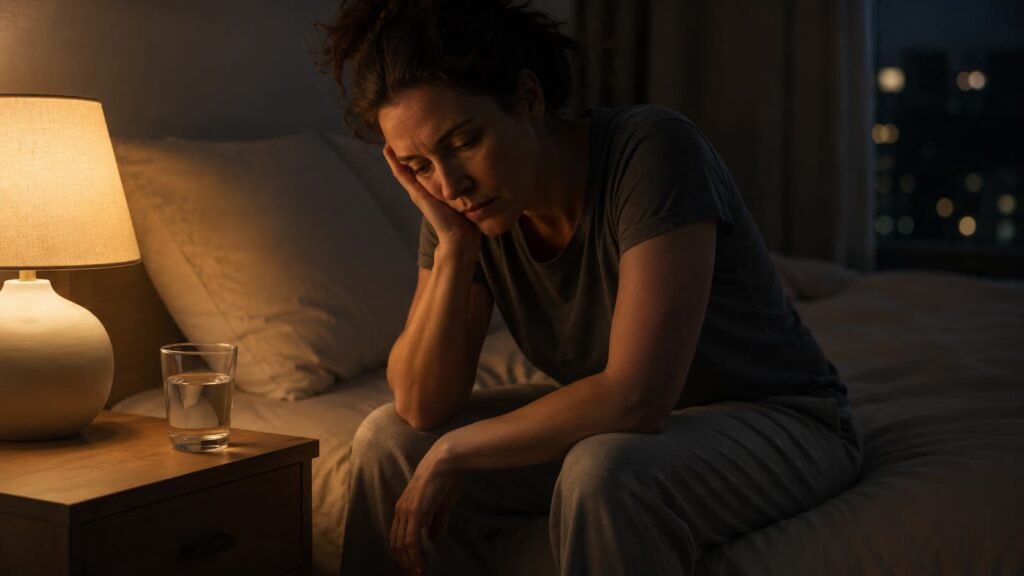
If your mouth is dry, your room is dry, you ate something salty, you exercised late, or you had alcohol earlier, a small amount of water can feel like a relief. Not a gallon. Just enough to stop your body from complaining.
I remember going through a stretch where I kept waking up thirsty around 4 a.m. It took me maybe a week to realize I was eating salty dinners and then trying to “protect my sleep” by barely drinking anything afterward.
Brilliant strategy. No notes.
A few sips before bed helped more than being strict about it. That was the moment I stopped treating water like a rule and started treating it like feedback.
If you are thirsty, drink a little. If you are not thirsty, do not force it because some article told you hydration is good.
Including this one.
The 1 to 2 hour rule I would start with
If nighttime bathroom trips are a problem, I would start by reducing large drinks in the last 1 to 2 hours before bed.
Not zero water. Just no big heroic glass right before lying down.
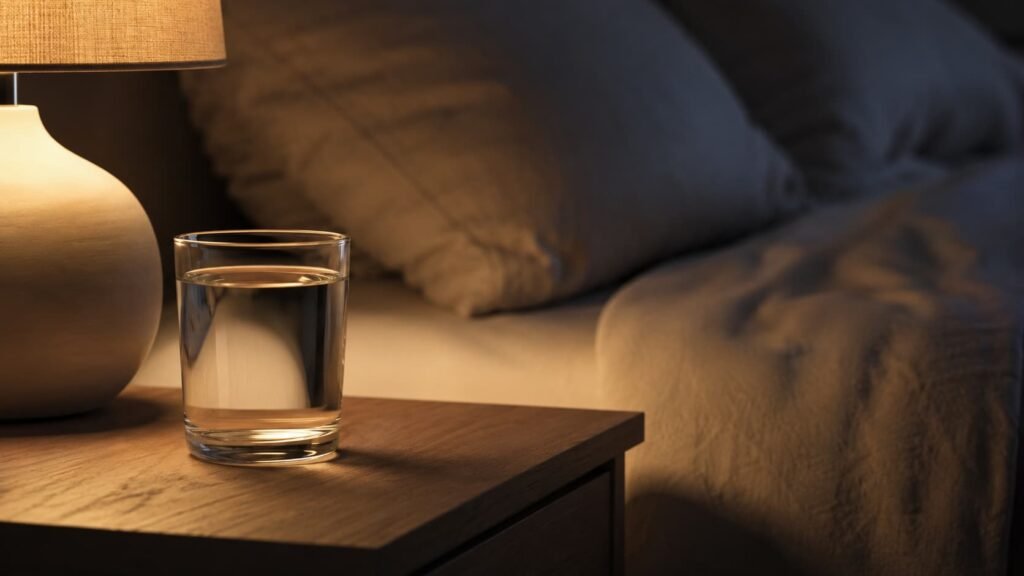
Try drinking more earlier in the day. Keep a small glass near the bed if that makes you feel better, but use it for sips, not a full hydration event. This is boring advice, which is usually a sign it might work.
For me, the sweet spot is something like this: normal water during the day, taper a bit after dinner, then small sips if I am actually thirsty. If I chug water after brushing my teeth, I know what I have done. I cannot act surprised later.
And yes, some people need a longer cutoff. If you wake up to pee every night, try stopping bigger drinks 2 to 3 hours before bed for a week and see what happens.
Do not change ten things at once. Just test the water timing.
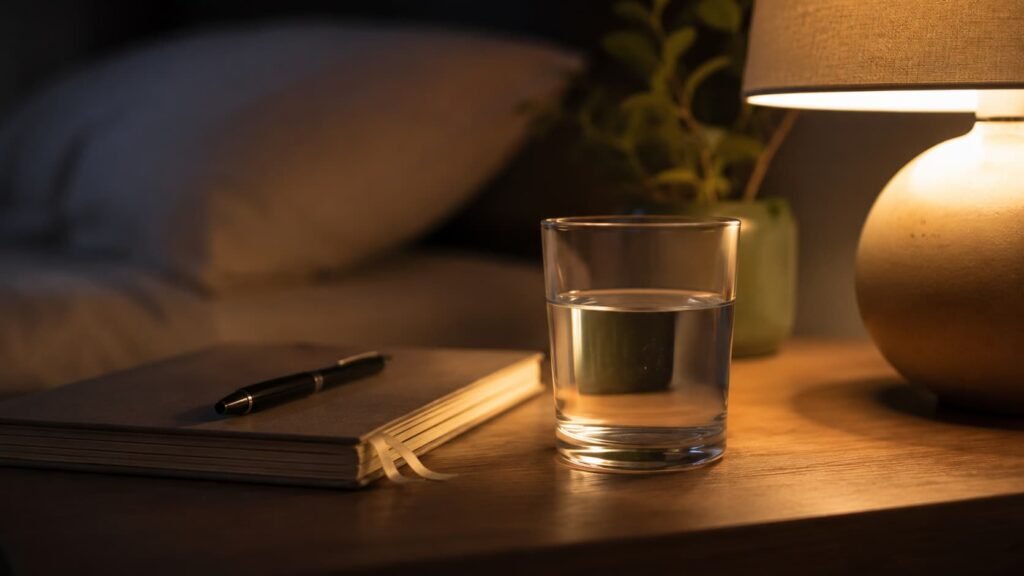
Dry mouth at night is a different clue
If you wake up with a dry mouth all the time, the answer may not be “drink more water before bed.”
It might be mouth breathing. Nasal congestion. Dry air. Medications. Alcohol. Snoring. Sometimes sleep apnea. Not always, but sometimes.
This is where I would push back on the simple advice. More water is not always the fix. If your mouth is dry because you are breathing through it all night, chugging water before bed may just give you dry mouth plus a bathroom trip.
Excellent. Two problems.
If dry mouth comes with loud snoring, gasping, morning headaches, or feeling exhausted after enough sleep, it is worth looking deeper. CalmNightly has related sleep-breathing articles, and this also connects with broader night waking patterns like waking up tired after sleeping 8 hours.
A glass of water is useful when thirst is the problem. It is not a complete diagnostic tool.
Caffeine, alcohol, salt, and late meals matter too
Sometimes the water gets blamed when the real issue is everything around it.
Caffeine can make sleep lighter and may affect urination for some people. Alcohol can make you pee more and also fragments sleep. Salty food makes you thirsty. A late heavy meal can make you drink more, digest harder, and sleep worse.
Then you wake up at night and think, “Water before bed ruined me.”
Maybe. Or maybe it was the salty takeout, two glasses of wine, and the fact that you remembered hydration 11 minutes before sleep.
I say this with affection because I have absolutely done some version of that.
The Sleep Foundation has a broader guide on hydration and sleep, and the pattern is pretty much what you would expect: hydration matters, but timing and balance matter too.
When nighttime urination is not just a water problem
If you wake up once because you drank too much water, that is not mysterious.
If you wake up several times every night to pee, even when you are not drinking much before bed, that is different. Could still be something simple. Could be caffeine, alcohol, medications, bladder irritation, or timing.
But it can also connect to medical issues.
Mayo Clinic lists many possible causes of frequent urination, including urinary tract problems, diabetes, medications, and other conditions. Not saying that to scare you. Just saying it because “drink less water” is not always enough.
If nighttime urination is new, frequent, painful, urgent, comes with blood in the urine, or is wrecking your sleep, talk with a healthcare provider.
Do not try to solve everything with bedtime hacks.
When water is not the real sleep problem
Sometimes the water habit is just the thing we can see.
The bigger issue might be a messy sleep schedule, late screens, irregular wake time, stress, or caffeine too late in the day. If your body clock is all over the place, perfect water timing will only do so much.
I learned this the boring way. I kept adjusting little things at night while ignoring the fact that my mornings were chaotic. No consistent wake time. No morning light. Too much late work. Then I wondered why sleep felt unstable.
Come on.
If that sounds familiar, CalmNightly’s guide on how to fix circadian rhythm is probably more useful than obsessing over whether your last sip happened at 9:10 or 9:40.
Water matters.
Rhythm matters more.
So should you drink water before bed?
Yes, if you are thirsty.
No, if you are chugging a full glass out of guilt and then waking up to pee every night.
That is my honest answer.
Try getting more of your fluids earlier in the day. Ease up on big drinks in the last 1 to 2 hours before bed. Keep small sips available if dry mouth or thirst is an issue.
Then watch what happens for a week.
Not one night. One night tells you almost nothing. A week gives you a pattern.
FAQ
Is drinking water before bed bad for sleep?
Not automatically. Drinking water before bed can help if you are thirsty, but too much close to bedtime may wake you up for bathroom trips.
How long before bed should I stop drinking water?
A practical starting point is to avoid large amounts of water 1 to 2 hours before bed. If you still wake up to pee, try a longer cutoff and drink more earlier in the day.
Why do I wake up thirsty at night?
Common reasons include dry air, mouth breathing, salty food, alcohol, medications, or not drinking enough earlier in the day. Frequent dry mouth with snoring or gasping may need more attention.
Why do I pee so much at night even if I do not drink much water?
Nighttime urination can come from caffeine, alcohol, medications, bladder issues, sleep disruption, or medical conditions. If it happens often, ask a healthcare provider instead of only cutting fluids.
Is it better to drink water before bed or in the morning?
Both can be fine. The better habit is drinking enough throughout the day so you are not trying to catch up right before sleep. Morning water can help you rehydrate without risking nighttime wakeups.
How much water is okay before sleep?
For many people, a few sips or a small glass is fine. A large glass right before lying down is more likely to cause problems, especially if you already wake up to use the bathroom.
The short version
Drinking water before bed is not automatically good or bad.
If you are thirsty, take small sips. If you are waking up to pee, stop drinking large amounts in the last 1 to 2 hours before bed.
If nighttime urination keeps happening even when you change your fluid timing, do not ignore it.
Useful habit. Bad timing.
That is usually the whole problem.
This article is for informational purposes only and does not constitute medical advice. Always consult a qualified healthcare professional before making changes to your health or sleep routine.
This article is for informational purposes only and does not constitute medical advice. Always consult a qualified healthcare professional before making changes to your health routine.