is oversleeping bad for you? what actually happens when you sleep too much
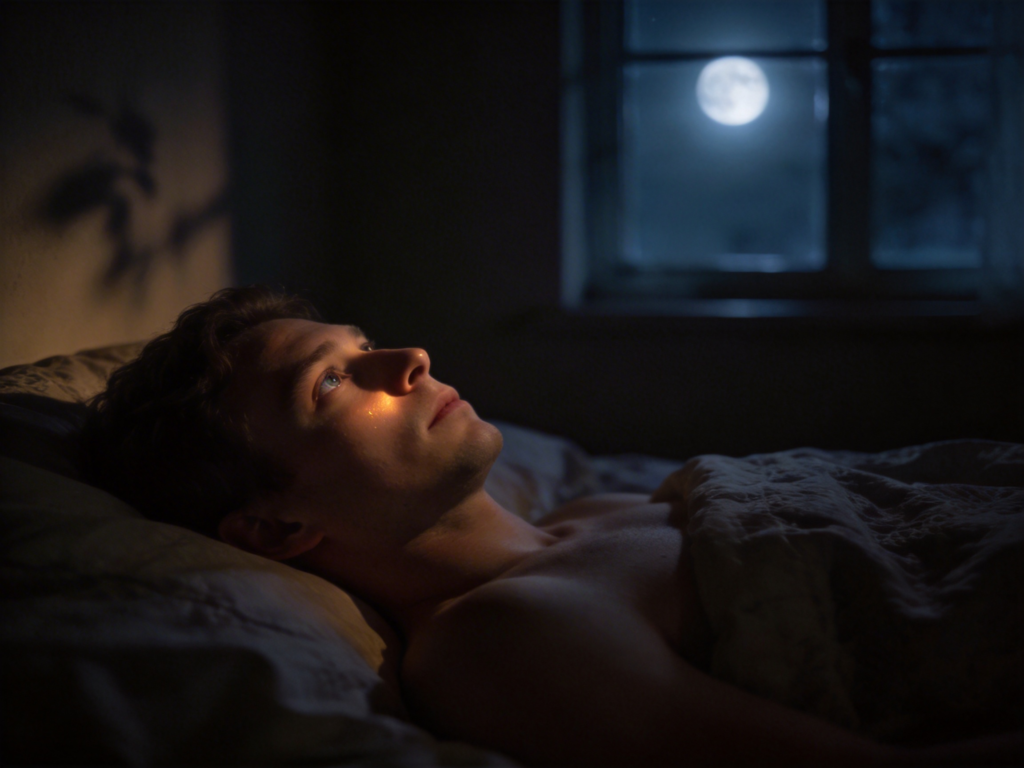
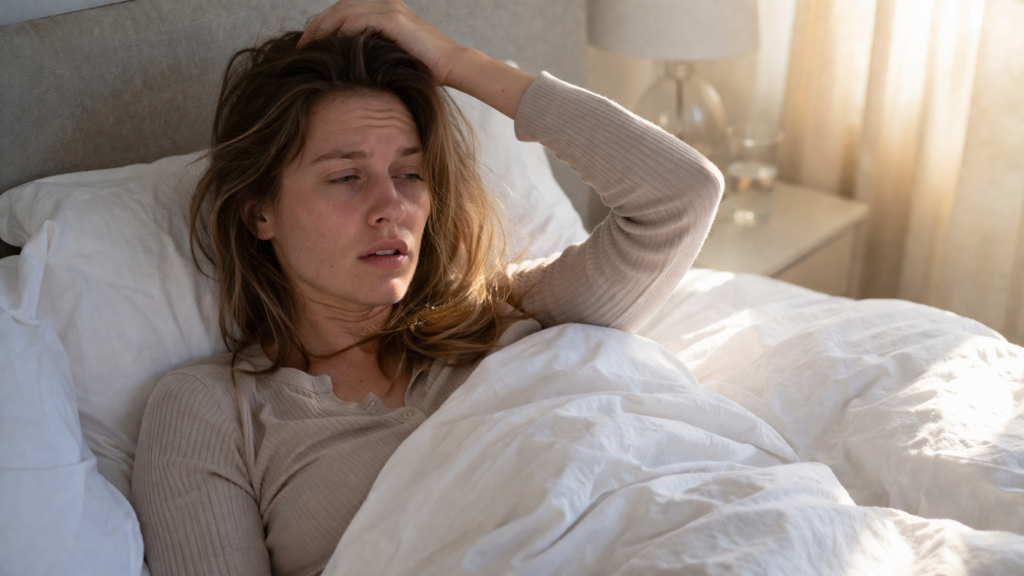
you finally get a full night’s sleep. eight hours, maybe nine. maybe — look, it was the weekend and you just… kept going. ten hours. and you wake up feeling like you got hit by something. groggy, heavy-headed, kind of irritable. and you’re thinking, wait, i thought more sleep was supposed to be good? yeah. that’s the oversleeping paradox. and it confuses a lot of people because we spend so much time talking about not sleeping enough that the other direction barely gets a mention. so let’s actually talk about it.what counts as oversleeping, exactly
most sleep researchers put the adult sweet spot somewhere between seven and nine hours. consistently sleeping ten or more hours a night — when you’re not sick, not recovering from something, not in the middle of some kind of extreme sleep debt — that’s generally where the term “oversleeping” starts to apply. and the key word there is consistently. crashing for ten hours after a brutal week doesn’t really count. your body needed that. what we’re talking about is the pattern — the person who regularly sleeps until noon and still doesn’t feel rested, or who hits nine, ten hours every single night and wakes up foggier than someone who got six. it’s worth knowing there’s also a clinical term for it: hypersomnia. that’s when excessive sleepiness persists even after long sleep, and it can be a symptom of a few different underlying conditions. but for most people reading this, we’re probably just talking about the habitual end of the spectrum, not a diagnosable disorder. the Sleep Foundation has a solid breakdown of where the clinical threshold sits if you want to dig into it.so is oversleeping actually bad for you
the honest answer is: it’s complicated. and kind of depends on why it’s happening. here’s the thing — oversleeping is often more of a symptom than a problem in itself. if you’re regularly sleeping ten-plus hours and still feeling wiped out, that’s your body telling you something. could be depression. could be an undiagnosed thyroid issue. could be sleep apnea, which wrecks your sleep quality so thoroughly that your brain just keeps trying to get more of it. that said, there is real research suggesting that habitual long sleep is associated with some not-great outcomes — higher rates of cardiovascular disease, type 2 diabetes, and certain cognitive issues show up in population studies. a large-scale review published in PMC looked at this association across multiple studies and found the relationship is consistent, though the direction of causality remains genuinely unclear. the important word there is associated, not caused. it’s quite possible that people who oversleep are doing so because of underlying health problems that then drive those outcomes, not because the extra sleep itself is doing damage. but here’s what does seem pretty clear: the feeling of being worse after sleeping more is real, and there’s a physiological reason for it. your circadian rhythm — the internal clock that regulates when you feel awake and when you don’t — gets disrupted when your sleep window shifts. if you normally wake at seven but sleep until ten on a Sunday, you’ve essentially given yourself a mild version of jet lag. your brain was expecting to be in “wake up and function” mode a few hours ago. it’s confused now.the oversleeping headache thing
this one comes up constantly and it’s worth going into some detail because a lot of people don’t understand why it happens. you sleep in. you wake up with a headache. it feels specific — dull, pressure-y, sometimes behind the eyes. and your instinct is to assume you need more sleep. but that’s backwards.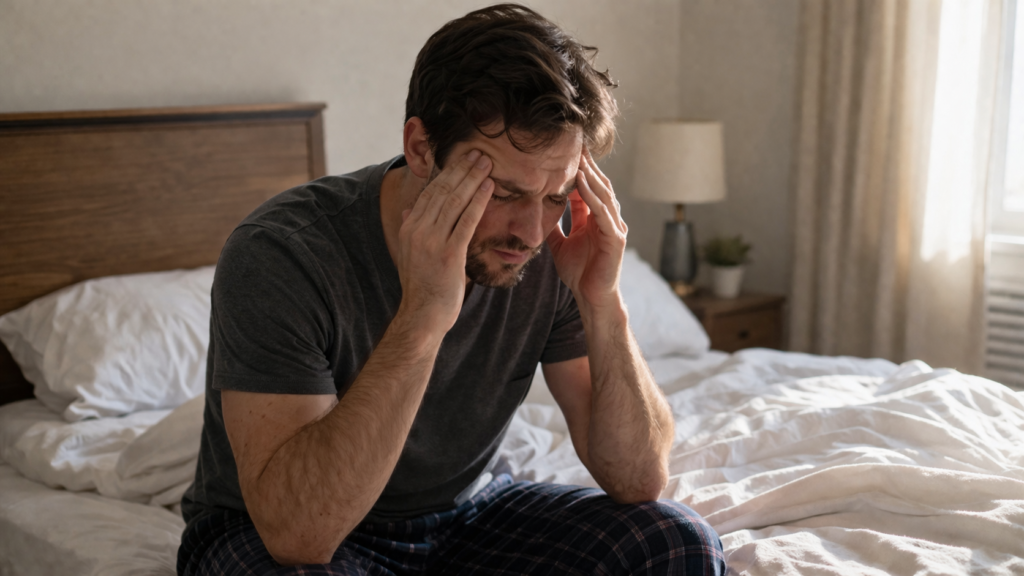
oversleeping and depression — the link nobody talks about enough
this one’s worth sitting with for a moment. depression doesn’t always look like lying awake at 3am unable to sleep. for a lot of people — and this is especially true for what’s sometimes called atypical depression — it looks like too much sleep. sleeping twelve hours and not wanting to get out of bed. napping in the afternoon. feeling like no amount of sleep is ever enough. the relationship goes both ways, which makes it tricky. depression can cause oversleeping, but chronically disrupted sleep — including too much of it — can also make depressive symptoms worse. if you find yourself consistently sleeping far more than you need and feeling low, flat, or hopeless alongside it, it’s worth talking to someone. that’s not a subtle hint. it’s just genuinely worth raising with a doctor. if what you’re experiencing is more just a general dragginess and low mood without the other markers of depression, it might also just be that your sleep schedule has drifted and your circadian rhythm is out of sync. fixing the schedule often fixes the mood, or at least helps considerably. if you’ve been waking up in the early hours and can’t get back down, that pattern has its own thing going on — there’s more about the cortisol connection in why you might be waking up at 3am.why you can wake up more tired after more sleep
okay, this one bothers people. logically it shouldn’t be possible. and yet. your body runs on sleep cycles — each one roughly 90 minutes, cycling through lighter and deeper stages. a normal night’s sleep will take you through four or five of these. when you sleep too long, you end up running extra cycles, and there’s a decent chance you’ll wake up mid-cycle rather than at a natural light-sleep peak. waking from deep slow-wave sleep feels terrible. that’s just how it is. there’s also the adenosine factor. adenosine is the chemical that builds up in your brain while you’re awake and creates sleep pressure — that mounting urge to sleep as the day goes on. during a normal sleep period, adenosine clears. but after a very long sleep, something slightly different seems to happen: some research suggests that in certain conditions, the regulation of adenosine and other sleep-wake signals becomes disrupted, leaving you with a kind of neurochemical hangover. and then there’s the blood sugar angle. sleeping in often means eating later, which can cause blood sugar swings that feed into afternoon fatigue in a loop.how to stop oversleeping — practical stuff that actually helps
if you’re in the pattern and want out, a few things tend to work: set an anchor wake time. this is the one thing most sleep researchers agree on. pick a time you’ll wake up every day — yes, including weekends — and stick to it. not perfectly at first, but directionally. this is the single most powerful lever for resetting your circadian rhythm. it’s also the hardest, which is honest. if your whole schedule has gone sideways and you’re not sure where to start, the approach in how to reset your sleep schedule lays it out step by step.
a note on being sick, stressed, or run down
just to be clear: none of this applies when you’re actually unwell. sick sleep is different. your immune system runs much of its repair work during sleep, and if you’ve got a fever or an infection, sleeping extra is genuinely useful — your body is using that time. same goes for periods of extreme stress or after significant physical exertion. the rules shift. your body’s needs shift. the problem isn’t sleeping a lot when you need it. it’s when the long sleep becomes the baseline and you’re still not feeling rested — that’s the signal worth paying attention to.the bottom line
oversleeping is real, it does have real effects, and “just sleep more” is not always the answer. the grogginess, the headaches, the low mood — these aren’t imaginary. but in most cases they’re also not permanent, and they’re not something you’re stuck with. the circadian rhythm stuff, specifically, responds pretty well to consistent sleep timing. it’s not instant — give it a week or two of actually holding that wake time — but most people feel a real difference. and if there’s something deeper going on, the earlier you look into it, the better. if you’ve been struggling to fall asleep in the first place — not just sleeping too long, but taking forever to drift off — that’s a different beast worth understanding too. there’s a whole breakdown on why it takes so long to fall asleep that covers the nervous system side of things. that’s just true.This article is for informational purposes only and does not constitute medical advice. Always consult a qualified healthcare professional before making changes to your health routine.