my ex used to say I had a superpower.
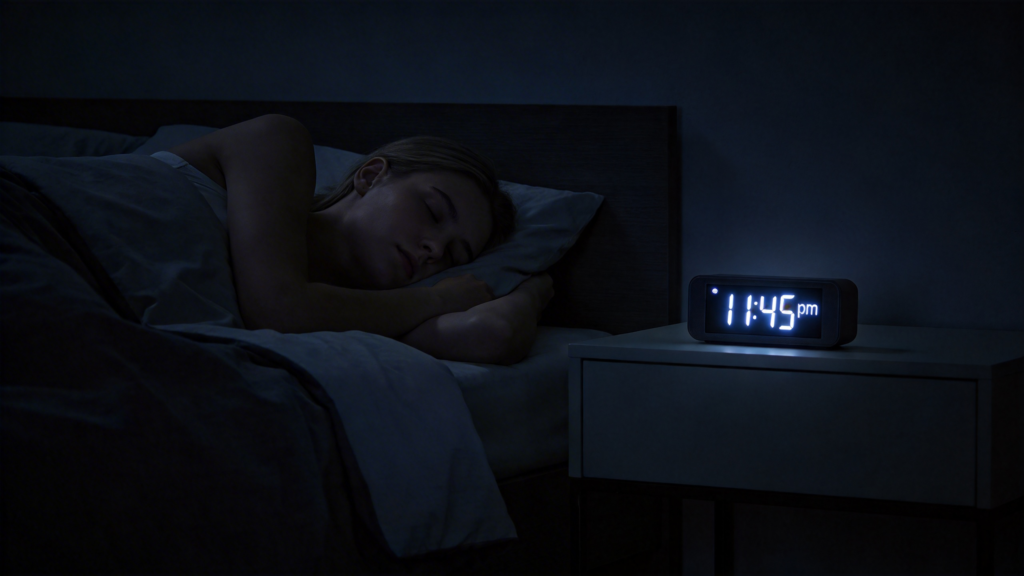
lights out, two minutes, gone. she’d still be on her phone scrolling and I’d already be wherever people go when they sleep. she’d nudge me sometimes just to confirm I was actually out. I was. every time.
I thought this was great. I thought this meant I was good at sleeping. I told people this like it was an achievement. “yeah I basically pass out the second I hit the pillow” — said with the energy of someone reporting a personal best.
turns out I was describing a symptom.
I didn’t know that for a long time. nobody told me. and honestly the question of how long should it take to fall asleep is not something most people think to ask, because if you fall asleep fast, you assume you’ve won. you haven’t necessarily. and if you fall asleep slow, you assume something’s broken. also not necessarily.
the actual answer is more interesting than either of those.
the number sleep researchers actually use
10 to 20 minutes. that’s the target range for how long it should take to fall asleep. that’s what a well-rested person with a healthy sleep drive and a nervous system that’s actually ready for sleep looks like — lying down, drifting off somewhere between ten and twenty minutes later. not instantly. not an hour later. somewhere in that window.
it has a name: sleep onset latency. which sounds extremely clinical but is just. how long it takes you to fall asleep. that’s it.
according to a 2023 meta-analysis published in Sleep Medicine covering 110 healthy adult cohorts, the average mean sleep latency in healthy adults is around 11.7 minutes. not 2 minutes. not 45 minutes. eleven and a half.
under 8 minutes consistently — and especially under 5 — is actually a flag. not always. context matters. but if you’re hitting the pillow and you’re out in two minutes every single night, that’s your body telling you it is deeply, desperately tired. not that you’re a great sleeper. that you haven’t been getting enough.
I sat with that for a while when I first read it. two minutes. every night. for years. I had just been walking around chronically sleep deprived and calling it a talent.
why isn’t falling asleep instantly a good thing
okay so why does the 10 to 20 minute window exist at all. why isn’t instant better.
because falling asleep isn’t an on/off switch. it’s a process. your nervous system has to actually transition — out of whatever alert, dealing-with-stuff state it’s been in all day and into something quieter. your core body temperature has to start dropping. melatonin has to be doing its thing. your brain waves have to slow through several stages before you hit actual sleep.
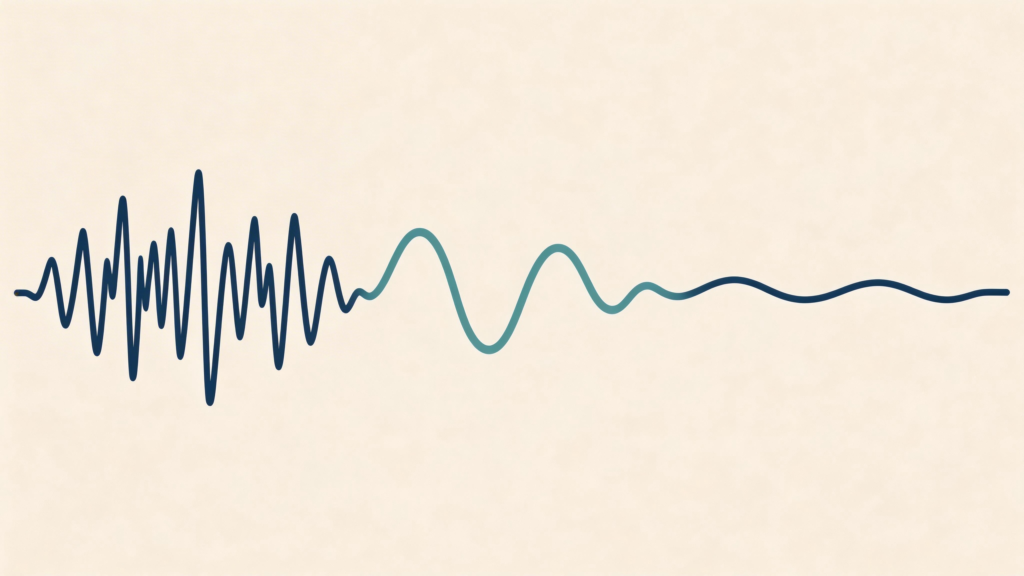
that transition takes time. needs time. it’s not a flaw in the system. it is the system.
when it happens in under five minutes, it usually means the sleep pressure — the biological need for sleep that builds up the longer you’re awake — has gotten so high that your body is basically collapsing into unconsciousness rather than transitioning into it. those are different things. one is healthy. one is your body in debt.
what about taking too long — the over-20-minutes end
the over-20-minutes end of things is what most people are more familiar with.
lying there. not sleeping. watching the ceiling do nothing. checking the time and doing the math on how many hours you’ll get if you fall asleep right now. checking again fifteen minutes later and redoing the math with smaller numbers.
I’ve written before about why it takes so long to fall asleep for some people — and the short version is: usually it’s a nervous system that never got the signal the day ended, or a room that’s working against you, or sleep pressure that’s been diluted by too much time in bed when you weren’t actually sleeping. sometimes it’s racing thoughts at bedtime, which is its own thing — that’s not insomnia exactly, that’s the mental inbox finally getting a chance to open when everything else goes quiet.
the over-20 territory isn’t automatically broken either. if you’ve just had coffee too late, or you’re in a weird sleep environment, or you had a genuinely stressful day — one night of lying there for 30 or 40 minutes isn’t a crisis. it’s a night. the pattern is what matters, not the single data point.
sleep onset latency as a window into your overall sleep health
here’s the thing that actually got me thinking about all of this differently.
sleep onset latency is essentially a readout of your sleep system’s overall health. not just one number in isolation. it reflects your sleep drive, your circadian timing, your nervous system’s ability to downshift, your accumulated sleep debt. it’s like. a window into a bunch of things at once.
so if yours is consistently off in either direction, the question worth asking isn’t just “how do I fall asleep faster” or “how do I fall asleep slower.” it’s what is this number actually telling me.
two minutes every night told me I was chronically under-slept. I was going to bed at midnight and waking at 6am and calling it fine because I fell asleep fast and didn’t feel terrible. but I was operating on fumes and the fast sleep onset was the evidence. same reason people who are waking up at 3am with cortisol spikes often feel exhausted — the body isn’t getting the recovery it needs, it’s just getting better at compensating for the deficit.
what actually moves your sleep onset toward that healthy window
sleep pressure management. this one’s counterintuitive. if you’re falling asleep too fast, you might need to go to bed a little later, not earlier — let the pressure build more appropriately before you lie down. if you’re falling asleep too slow, same advice applies: don’t go to bed until you’re actually sleepy. lying there awake for an hour trains your brain to associate the bed with wakefulness. that’s a hard association to undo.
the wind-down gap. thirty to forty-five minutes of genuinely low-stimulation activity before bed. not lying in bed on your phone with the brightness turned down and calling it a wind-down. an actual transition. something boring and physical — slow walk, warm shower, a real book. your nervous system needs a runway to land on. without one it just stays at altitude and then wonders why landing is hard.
temperature. your core body temp needs to drop to initiate sleep. cool room, ideally somewhere around 65 to 68°F. warm shower 60 to 90 minutes before bed — the drop in skin temperature after is what actually helps, not the warmth during. I did this wrong for a while, showering right before bed and wondering why I was lying there wide awake and warm.
consistent wake time. same time every morning including weekends. this one stabilizes your circadian rhythm more than almost anything else, which means your sleep pressure and melatonin timing start lining up properly, which means the 10 to 20 minute window becomes easier to hit naturally. how to reset your sleep schedule properly is worth reading if this feels completely derailed — sometimes the whole system needs a proper reset before the individual pieces start working.
light. morning sunlight within an hour of waking, ten minutes, outside. evening darkness, especially the hour before bed. your melatonin production is entirely dependent on light signals. if you’re sending it daytime signals at 11pm, your sleep onset is going to be delayed. this is not a metaphor. it’s how the hormone works. Sleep Foundation’s overview of sleep latency covers this connection well if you want the fuller picture.
so how long should it take to fall asleep — the actual answer
if you fall asleep the second you hit the pillow, every single night — that’s worth paying attention to. not panicking about. paying attention to. ask yourself honestly: am I getting enough hours. am I actually rested when I wake up. am I relying on the fast sleep onset as evidence that things are fine when the rest of the picture says otherwise.
if you take forever — genuinely, consistently, 45 minutes to an hour or more — the fix is usually not a supplement or a sleep gadget. it’s a nervous system that needs a transition, a sleep schedule that needs stabilizing, or a bed that’s started meaning something other than sleep because you’ve spent too many hours lying awake in it.
and if you’re somewhere in the middle — drifting off in 15 or 20 minutes, waking up reasonably rested, getting through the day without wanting to collapse — you’re probably fine. the 10 to 20 minute window for how long it should take to fall asleep exists as a guide, not a verdict.
your sleep is telling you something. the question is just whether you’re listening to the right parts of it.
This article is for informational purposes only and does not constitute medical advice. Always consult a qualified healthcare professional before making changes to your health routine.