
power nap benefits are something I used to be skeptical about. napping felt like something you did when you’d failed at being a functioning adult. productive people pushed through the 2pm slump — they didn’t lie down for twenty minutes in the middle of the day like some kind of Victorian convalescent.
then I actually looked into what happens in your brain during a short nap and the guilt evaporated. I wasn’t being lazy. I was just doing it wrong — meaning not doing it at all.
what a power nap actually is (and isn’t)
a power nap is short. 10 to 20 minutes, roughly. the whole point is staying in lighter sleep stages and getting out before your brain sinks into deep sleep — because waking up from deep sleep mid-cycle is where you get that horrible groggy, where-am-I feeling that makes you worse off than before you lay down. stay short and you skip that. you get the reset without the aftermath.
it’s not the same as just resting with your eyes closed, though that has some value too. actual sleep — even brief sleep — does things that quiet wakefulness doesn’t. the brain processes differently. some consolidation happens. the physiological effects are distinct from just lying still. which is annoying if you’re one of those people who can’t fall asleep quickly, but it does mean the effort of actually napping is worth it if you can manage it.
power nap benefits — what actually changes after 10 minutes of sleep
alertness is the big one. NASA did research on military pilots — 40-minute naps improved performance by 34% and alertness by 100%. that’s on the longer end of what I’d call a power nap, but shorter naps in the 10-20 minute range show consistent, measurable improvements in reaction time, attention, and working memory in multiple studies. the effect lasts for hours afterward, not just the first twenty minutes after waking.
mood improves too, and this one I find more interesting than the performance stuff. sleep deprivation makes you emotionally reactive in ways that are hard to self-monitor — more irritable, less patient, quicker to get frustrated. a short nap partially reverses that. it’s not just “feeling better” in a vague sense. the emotional regulation effect is real and it’s one of the reasons afternoon naps are culturally embedded across a lot of the world. not laziness. maintenance.
memory consolidation happens in naps, even brief ones. your brain moves information from short-term working memory toward longer-term storage during sleep — and this process begins quickly, not just in overnight sleep. if you spent the morning learning something new, a short afternoon nap can meaningfully improve how well you retain it by evening. this is one of the more counterintuitive power nap benefits and one of the more robustly supported ones in the research.
there’s a blood pressure effect too. one study found that people who napped regularly had meaningfully lower blood pressure than those who didn’t, even after accounting for other lifestyle factors. modest effect, but consistent. for cardiovascular health, regular napping appears to be a net positive.
physical recovery — muscle repair, immune processes, restoration work — starts quickly even in short sleep. for people doing physical work or exercise, a short nap supports recovery in a way that sitting quietly at a desk doesn’t. same duration, different outcome, because actual sleep is biochemically different from rest.
according to the Sleep Foundation, naps of 10-20 minutes are the most effective for improving alertness and performance with minimal grogginess afterward — and these benefits are available to most healthy adults regardless of whether they feel particularly tired before napping.
how long should a power nap be — 5, 10, 20 minutes, or longer
duration matters more than most people give it credit for, and going too long creates real problems.
five minutes sits right at the edge of usefulness. you might get some mild alertness improvement. you might not have fully entered sleep at all. inconsistent results. if five minutes is genuinely all you have, still worth trying — but don’t expect the full effect.
ten minutes is where it gets interesting. research comparing different nap durations found that 10-minute naps produced immediate, significant improvements in cognitive performance and alertness that lasted up to 2.5 hours afterward — with almost no sleep inertia on waking. you wake up feeling alert rather than heavy. this is the duration that actually earns the name — and where most of the core power nap benefits happen with the least downside.
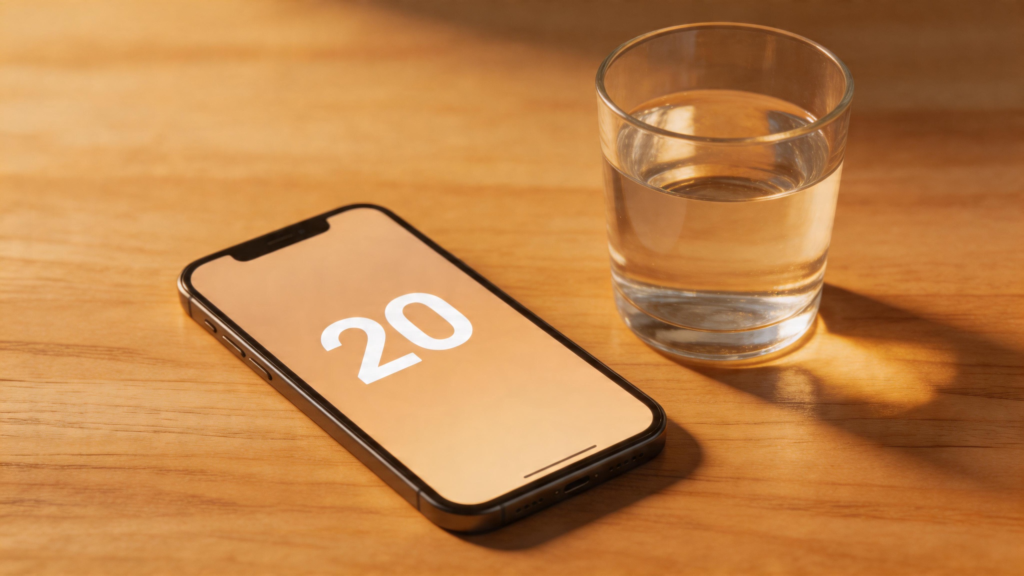
twenty minutes extends the benefit window slightly. still avoids deep sleep for most people, though there’s more individual variation here — some people start entering deeper sleep around this point and wake up feeling groggy. if 20-minute naps consistently leave you feeling worse, try 12-15 instead and see if the problem disappears.
thirty minutes is where things start going sideways for most people. you’re increasingly likely to have entered N2 or even N3 sleep, and waking from those stages produces the disorientation that can take 20-30 minutes to clear. a 30-minute nap can temporarily make you less functional, not more. the math doesn’t work out.
ninety minutes is a different category entirely — that’s a full sleep cycle, intentionally including deep sleep and REM. a 90-minute nap can be genuinely restorative, but it’s a deliberate choice with real implications for your sleep debt and for how easily you fall asleep that night. not a quick reset.
benefits of napping after lunch — why the timing actually makes biological sense
the afternoon slump most people feel somewhere between 1pm and 3pm isn’t caused by lunch. that’s a myth that won’t die. it’s a natural dip in alertness driven by circadian rhythm — your body has a mild biological drive toward reduced alertness in the early afternoon that exists independent of when or what you ate. lunch can amplify it if it’s large, but it’s not the mechanism.
this window is when a nap works best, for two reasons. first, you’re going with your body’s existing low-alertness phase rather than fighting it — falling asleep is easier and faster. second, napping in early-to-mid afternoon leaves enough time before your normal bedtime for sleep pressure to rebuild, so the nap doesn’t eat into your ability to fall asleep at night.
napping after 3 or 4pm starts cutting into that rebuilding time for most people with a normal sleep schedule. the later the nap, the more it risks displacing nighttime sleep rather than supplementing it. not a hard rule — it depends on your bedtime — but worth paying attention to if you nap late and then find yourself lying awake.
when napping works against you
if you’re dealing with insomnia or struggling to fall asleep at night, daytime napping can reduce the sleep pressure that makes bedtime feel sleepy in the first place. sleep pressure — the biological drive toward sleep that builds the longer you’ve been awake — is part of what makes lying down at 10pm feel different from lying down at 2pm. napping burns some of that off. for people trying to fix a disrupted sleep schedule, avoiding naps is often part of the strategy, at least temporarily.
if naps consistently leave you feeling worse rather than better — groggy, more tired, disoriented — the duration is almost certainly the issue. try shorter. 10 minutes with an alarm, not 25 minutes drifting in and out. the grogginess problem is a timing problem, not a “napping isn’t for me” problem.
and if you need a daily nap to function because your nighttime sleep is consistently inadequate, the nap is treating a symptom. it helps, but it’s not a substitute for addressing whatever’s breaking your nighttime sleep.
the coffee nap — sounds too convenient, apparently works
drink a coffee or espresso immediately before your nap. caffeine takes about 20-25 minutes to enter your bloodstream. if you sleep for 20 minutes and wake up when the caffeine kicks in, you get the nap reset and the caffeine alertness simultaneously rather than sequentially.
I assumed this was one of those things that sounds clever and doesn’t actually pan out. the research suggests otherwise — people who did coffee naps outperformed those who only napped or only had caffeine on alertness and cognitive tasks afterward. the combination works better than either alone. it’s annoying how often “obvious biohack” turns out to be supported by actual data.

the short version
This article is for informational purposes only and does not constitute medical advice. Always consult a qualified healthcare professional before making changes to your health routine.