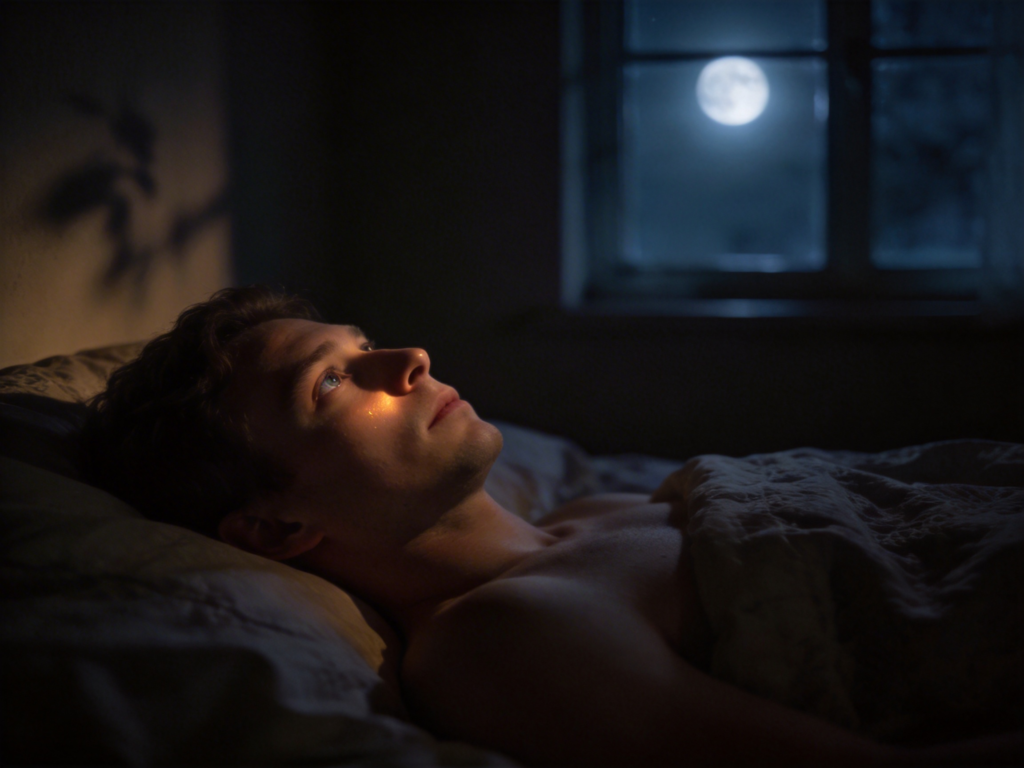
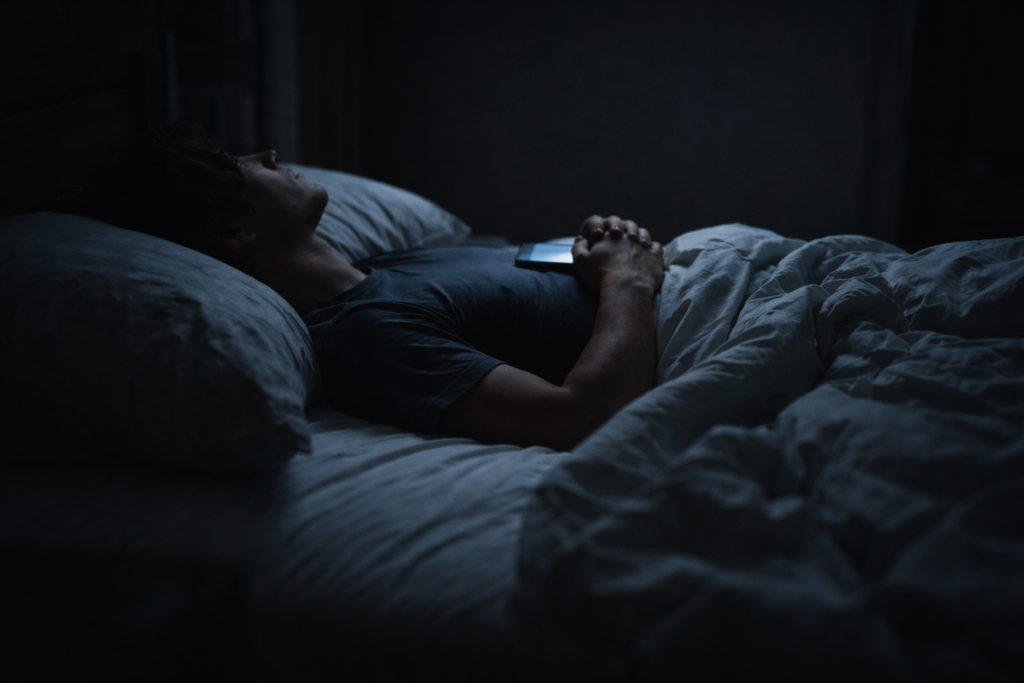
why does it take me so long to fall asleep even when i’m exhausted
falling asleep requires your core body temp to drop. your body does this thing where it pushes blood to your hands and feet to release heat, drops your core temp by a degree or two, and that’s… how sleep starts? apparently? I did not know this for a long time. warm room disrupts it. big late dinner disrupts it. I checked my thermostat after reading about this and it was set to 72°F. which. okay. that might explain some things. but here’s the part that actually got me — your hands and feet getting warm right before you drift off means it’s working. that’s the heat releasing. I noticed this one night and instead of lying there frustrated I just watched it happen. hands warming up. body getting heavier. like my body had been doing this thing the whole time and I just hadn’t been paying attention. light messes with it too. melatonin needs actual dark to kick in and phone screens are basically lying to your brain about what time it is. if you’re on your phone at midnight your brain is still running daytime settings. it doesn’t know the day ended. you didn’t tell it. the morning light thing feels insane but I’m putting it here anyway. ten minutes of actual sunlight in the morning helps you fall asleep faster at night. I know. sounds fake. something about circadian rhythm and melatonin timing and your internal clock and whatever. I started standing outside with my coffee every morning — just standing there like a confused plant — and honestly I noticed it more when I stopped. three rainy days in a row and suddenly I’m back to lying there wondering why I can’t fall asleep fast even when I’m genuinely exhausted. ten minutes. outside. morning. free. embarrassingly effective.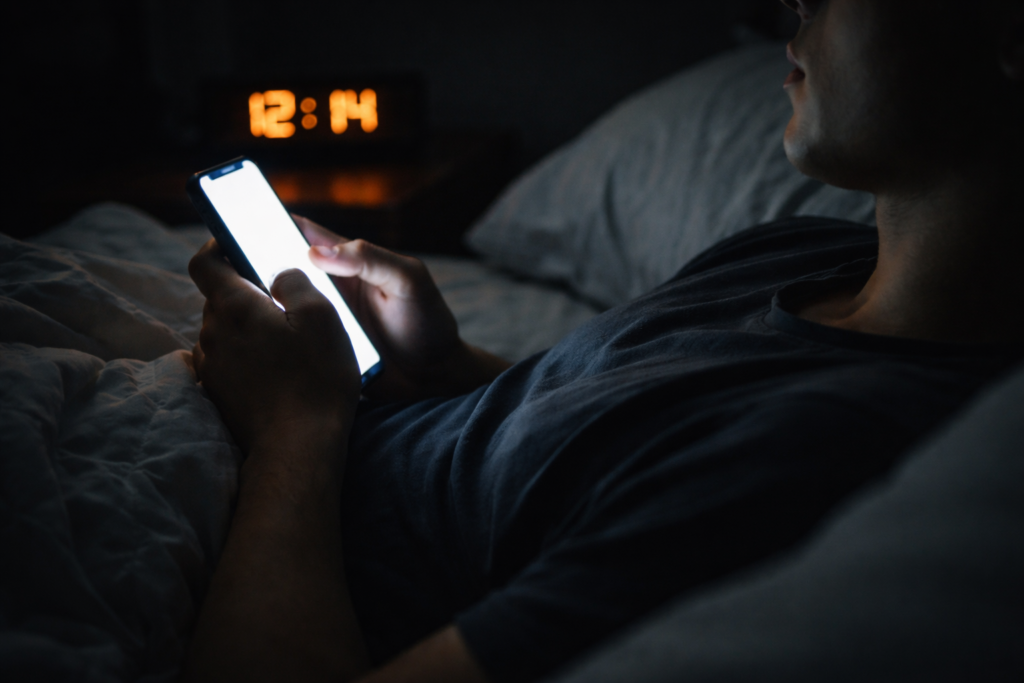
okay this one stings a little.
sleep pressure — the thing that makes you actually feel sleepy — builds up the longer you’ve been awake. adenosine accumulating in your brain or whatever. point is: if you spend too much time in bed when you’re not sleeping — scrolling, lying there “resting,” going to bed at 9pm just in case — you dilute that pressure. spread it too thin. by the time you want to actually fall asleep there isn’t enough built-up need to make it happen quickly.so if you’re still lying there wondering why does it take me so long to fall asleep — this might be exactly why. and here’s the sneaky part: the more time you spend lying awake in bed, the more your brain starts associating your bed with being awake. not with sleeping. with lying there frustrated. sleep researchers call it conditioned arousal which sounds extremely dramatic but is actually just… your bed now means “stare at ceiling and think about 2018 party moment” instead of “sleep.” fix is go to bed later. not earlier. same wake time every morning including weekends. I hate this. it works. I hate that it works. the inbox thing. there’s a reason my best thoughts show up the second I lie down in the dark. during the day there’s always something to do, look at, respond to. the mental backlog doesn’t get a slot. then I get into bed, remove all the input, and suddenly every unprocessed thing from the past 48 hours shows up like “HI WE’VE BEEN WAITING.” someone described this to me once as their brain sending invoices for everything they’d ignored during the day. yes. exactly. that. not random anxiety. just. the invoice pile. most effective thing I’ve found: brain dump before bed. plain notebook. five minutes. write down everything circling around in there. worries, to-dos, that thing I keep almost remembering, the vague guilty feeling I can’t locate the source of. you’re basically telling your brain: logged, you can stop now, I have it. I resisted this for months because it sounded like something on a wellness instagram and also slightly embarrassing. then I tried it because I was desperate. it was either that or continue lying awake catastrophizing about whether I locked my car. it works. god it’s annoying how well it works. practical stuff, fast — real wind-down time. thirty to forty-five minutes of something genuinely boring before bed. actual physical book not phone, slow walk, warm shower, stretching. not lying in bed on my phone with the brightness down and calling it self-care. an actual transition. a runway. give the nervous system a chance to clock out. warm shower timing: 60-90 minutes before bed, not right before. the cooling after is the thing. the rapid skin cooling helps trigger the temperature drop. I kept doing it wrong for ages. cool room. dark room. blackout curtains changed my life and I feel stupid it took me so long. stop trying to force sleep. effort creates alertness. the harder you try the more awake you get. when you catch yourself trying — just. stop. shift to just resting. no agenda. no checking if you’re falling asleep yet. just lying there. existing. not needing anything. harder than it sounds. worth practicing. slow breathing. long exhales. longer than the inhale. it physically activates the calm-down side of your nervous system. not a trick. just how the body works. morning light. ten minutes. outside. sets the clock. do it. brain dump. notebook. seven days. then come back and tell me it doesn’t work. if this has been going on for more than a month and you’re genuinely asking yourself every night why it takes you so long to fall asleep — like it’s affecting your actual days, your mood, your ability to function — mention it to a doctor. chronic sleep onset stuff can be connected to anxiety disorders, circadian rhythm issues, restless leg syndrome. things with actual treatments. CBT-I specifically has better evidence behind it than any sleep medication and the effects last longer. there are digital programs now. it’s more accessible than it sounds. don’t white-knuckle this for months because it doesn’t feel “serious enough.” it’s serious enough. taking forever to fall asleep is almost never about willpower. it’s a nervous system that never got a transition. a room that’s working against you. a slow quiet thing where your bed started meaning “lie awake” instead of “sleep” and you didn’t even notice it happening. all of that is fixable. start with the wind-down. thirty minutes. low stimulation. let your brain figure out the day is over. the sleep comes after. usually. eventually. it did for me.frequently asked questions
why does it take me so long to fall asleep even when I’m exhausted?
being physically tired and being able to fall asleep aren’t the same thing. your body might be exhausted, but if your nervous system hasn’t had a proper transition out of alert mode — no wind-down, screens until the last minute, stress still running in the background — it won’t shift into sleep mode just because you got horizontal. that mismatch is exactly why you can feel completely wiped out and still lie there awake for an hour.why does it take me 3 hours to fall asleep?
if you’re consistently taking 2–3 hours to fall asleep, that’s usually a sign of a few things layered on top of each other: a nervous system that never got a wind-down signal, a sleep schedule that’s shifted too late, and possibly conditioned arousal — where your brain has learned to associate your bed with being awake rather than sleeping. it’s worth reading about how long it should actually take to fall asleep to understand what’s normal and what’s not. if it’s been going on for weeks, talking to a doctor about CBT-I is genuinely worth it.it takes me an hour to fall asleep every night — is that normal?
an hour is on the long end, but it’s also incredibly common. most sleep researchers consider anything under 20 minutes normal. consistently taking 45–60 minutes usually points to something specific: a room that’s too warm, too much light exposure in the evening, going to bed before your body is actually ready, or a brain that hasn’t had a chance to offload the day’s mental backlog. the good news is these are all fixable — none of them require medication.why does it take me so long to fall asleep but I wake up fine?
this is actually a really common pattern. waking up feeling okay doesn’t mean the slow sleep onset isn’t a problem — it just means you’re probably getting enough total sleep hours once you do drift off. but the hour you’re spending lying awake is real lost time, and over weeks it chips away. if your cortisol levels are dysregulated or your circadian rhythm is slightly off, you can still feel functional in the morning while the underlying issue quietly continues. it’s worth addressing even if you’re not exhausted during the day.This article is for informational purposes only and does not constitute medical advice. Always consult a qualified healthcare professional before making changes to your health routine.